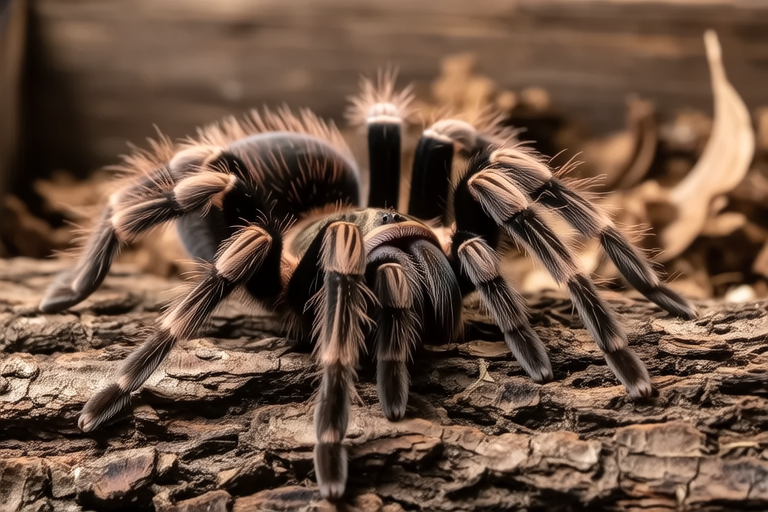
The Ultimate Chilean Rose Tarantula Owner’s Survival Kit: Tips and Tricks
Welcome to the world of Chilean rose tarantula ownership! These captivating arachnids, scientifically known as Grammostola rosea, are among the most popular pet tarantulas due to their docile nature and striking appearance. Whether you’re a first-time owner or have been keeping these fascinating creatures for years, this guide will provide you with all the essential tips and tricks to ensure your Chilean rose tarantula lives a long, healthy, and comfortable life.
Understanding Your Pet: Behavior and Characteristics
Before diving into the specifics of care, it’s crucial to understand the behavior and characteristics of your Chilean rose tarantula. Native to the dry regions of Chile, these spiders are nocturnal and spend most of their time in burrows during the day. They are generally calm and docile, making them ideal for beginners. However, they may display defensive behaviors if they feel threatened, such as rearing up on their hind legs or flicking urticating hairs from their abdomen.
Habitat Setup
Creating the right environment for your Chilean rose tarantula is paramount to its well-being. Start by selecting an appropriate enclosure, ideally a glass terrarium with a secure lid. The size of the enclosure should be proportional to the spider’s size; a general rule is to provide at least three times the leg span in height and width.
Substrate is another critical factor. Use a deep layer of coconut fiber, peat moss, or vermiculite to allow for burrowing. This substrate should be kept slightly damp but never wet, as excessive moisture can lead to respiratory issues. Providing hiding spots, such as cork bark or half logs, will make your pet feel secure and mimic its natural habitat.
Temperature and Humidity Requirements
Maintaining the correct temperature and humidity levels is vital for your Chilean rose tarantula’s health. These spiders thrive in temperatures ranging from 75°F to 85°F (24°C to 29°C). A heat mat placed under one side of the enclosure can help maintain these temperatures, allowing for a temperature gradient within the enclosure.
Humidity should be kept between 60% and 80%. You can achieve this by misting the enclosure daily and ensuring that the substrate remains slightly moist. A hygrometer and thermometer are invaluable tools for monitoring these conditions.
Diet Specifics
Feeding your Chilean rose tarantula appropriately is key to its growth and overall health. These spiders are opportunistic feeders and will consume a variety of prey items, including crickets, mealworms, and occasionally pinkie mice. Feed juveniles once every five to seven days, while adults can be fed less frequently, approximately once every two weeks.
It’s important to gut-load feeder insects before offering them to your spider. Gut-loading involves feeding the insects a nutritious diet rich in vitamins and minerals, which are then passed on to your tarantula when it eats. Additionally, dusting the feeder insects with calcium and vitamin supplements can help prevent deficiencies.
Handling Advice
While Chilean rose tarantulas are generally docile, handling should be approached with caution. Always wash your hands before and after handling to avoid transferring oils or chemicals onto the spider. Use a long-handled tongs or gently scoop the spider out of its enclosure using a soft, flat tool.
Avoid handling your tarantula too frequently, as this can cause stress. If you notice any signs of distress, such as increased aggression or reluctance to eat, it’s best to give your pet some space.
Common Health Issues
Like any living creature, Chilean rose tarantulas can face various health issues. One of the most common problems is dehydration, which can occur if the humidity levels are too low. Signs of dehydration include lethargy, sunken abdomen, and difficulty molting. Ensuring proper humidity levels can prevent these issues.
Molting is a natural process where the spider sheds its exoskeleton to grow. During this time, your tarantula may appear weak and sluggish. It’s essential to provide a humid hide and avoid disturbing the spider until it has fully molted. Incomplete molts can lead to complications, so monitor your pet closely during this period.
Behavioral Insights and Interaction
Understanding your Chilean rose tarantula’s behavior can greatly enhance your interaction with it. These spiders are solitary animals and prefer to be left alone. While they may not actively seek out human interaction, observing their natural behaviors, such as hunting and burrowing, can be highly rewarding.
If you wish to handle your tarantula, do so gently and infrequently. Overhandling can cause stress and potentially lead to health issues. Always pay attention to your pet’s body language; if it starts flicking urticating hairs or rearing up, it’s signaling discomfort.
Real-Life Scenarios and Practical Advice
Let’s explore some real-life scenarios to better understand how to care for your Chilean rose tarantula:
- Scenario 1: Your tarantula isn’t eating. Lack of appetite can be concerning, but there could be several reasons behind it. Check the enclosure’s temperature and humidity levels, as extreme conditions can affect your spider’s appetite. Ensure the food offered is fresh and appropriately sized. Sometimes, fasting can also be normal, especially before molting.
- Scenario 2: Your tarantula is molting. Molting is a natural process, but it requires careful attention. Provide a humid hide and avoid disturbing the spider. After molting, check for any incomplete molts, which may require veterinary assistance.
- Scenario 3: Your tarantula flicks urticating hairs. This is a defensive behavior and doesn’t necessarily indicate poor health. However, prolonged stress can lead to other health issues. Ensure the enclosure provides adequate hiding spots and avoid overhandling.
Conclusion
Owning a Chilean rose tarantula can be a rewarding and enriching experience. By understanding their behavior, providing the right habitat, and addressing common health issues, you can ensure your pet lives a long and healthy life. Remember, patience and observation are key to successful tarantula ownership. With the right care and attention, your Chilean rose tarantula will become a cherished member of your household.
