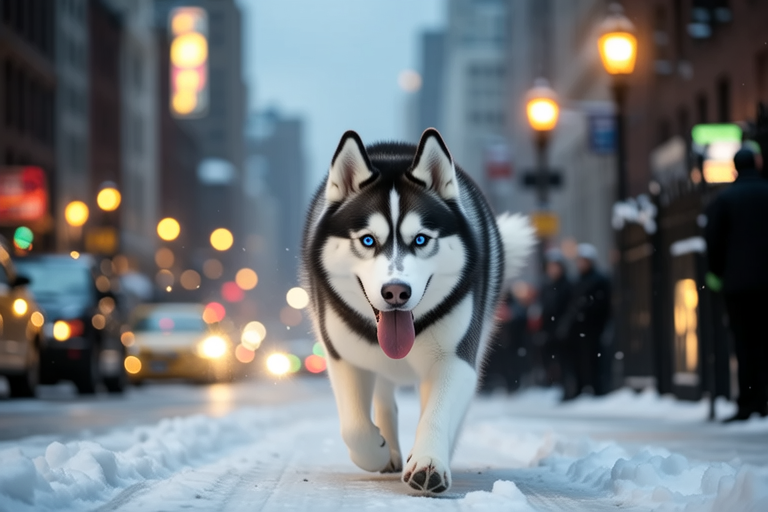
From Frozen Wonders to City Streets: Life with a Siberian Husky
The allure of Siberian Huskies has captivated many for decades. These majestic creatures, originally bred by the Chukchi people of Northeastern Asia, have roots deeply embedded in the harsh Arctic conditions. Known for their striking blue eyes, thick fur coats, and powerful builds, Siberian Huskies are uniquely adapted to thrive in freezing temperatures. Their endurance and resilience have made them invaluable as sled dogs, pulling heavy loads over vast distances in some of the coldest regions on Earth.
What makes Siberian Huskies so special is not just their physical prowess but also their temperament. Despite their wild heritage, these dogs are known for being friendly, outgoing, and social. They possess an innate desire to please their owners, making them excellent companions for families and individuals alike. However, their transition from their natural habitat to urban environments presents its own set of challenges and requires careful adaptation.
Adapting to Urban Living
Moving from the frozen tundra to bustling city streets is no small feat for any animal, let alone one as accustomed to wide open spaces as the Siberian Husky. The first challenge is space; cities offer limited room for these large, energetic dogs. Unlike their ancestors who had vast territories to roam, urban huskies need to adapt to smaller living quarters and confined outdoor areas.
To ensure a smooth transition, it’s crucial to provide ample opportunities for exercise. A daily walk or run is essential, but this might not be enough for a breed that thrives on activity. Consider incorporating more intense forms of exercise such as running alongside you on a bike or participating in dog sports like agility courses. This not only keeps them physically fit but also mentally stimulated.
Dietary needs are another aspect to consider when adapting Siberian Huskies to city life. These dogs require high-quality, protein-rich diets to maintain their energy levels. Feeding them the right nutrients can prevent health issues associated with poor nutrition, ensuring they remain active and healthy throughout their lives.
Grooming is equally important, especially given their thick double coats. Regular brushing helps remove loose hair and prevents matting. During shedding seasons, which typically occur twice a year, daily brushing may be necessary to manage the amount of fur that ends up around your home.
Tips for Exercise, Diet, and Grooming
When it comes to exercise, Siberian Huskies need more than just a leisurely stroll around the block. They are working dogs at heart, and their bodies are built for sustained effort. Aim for at least two hours of vigorous activity per day, including brisk walks, runs, or playtime in a securely fenced area. This level of exercise helps burn off excess energy, reducing destructive behaviors like chewing or digging.
Diet-wise, focus on high-protein foods that mimic what they would eat in the wild. Look for brands that use real meat as the primary ingredient rather than fillers or by-products. Consult with your veterinarian about the best diet plan tailored specifically to your husky’s age, weight, and activity level.
Grooming these dogs involves more than just keeping them clean; it’s about maintaining their health. In addition to regular brushing, periodic baths are necessary, though too frequent bathing can strip away natural oils. Pay attention to their ears, paws, and nails, trimming nails regularly and checking for signs of infection or injury.
Training and Bonding
Training Siberian Huskies can be both challenging and rewarding. Their independent nature means they won’t always follow commands blindly, but with patience and consistency, they can learn to obey. Positive reinforcement techniques work well; reward good behavior with treats, praise, or playtime. Avoid harsh corrections, as this can lead to fearfulness or aggression.
Bonding with your Siberian Husky is key to successful ownership. Spend quality time together every day, whether through play, training sessions, or simply lounging around the house. Building trust and understanding will help you navigate any behavioral issues that arise.
One common issue among Siberian Huskies is their tendency to wander off if given the chance. This behavior stems from their history as working dogs who needed to range far and wide. To prevent escapes, ensure all fences are secure and consider using a leash whenever walking in public spaces. Training commands like “come” can also be lifesavers.
The Rewards of Ownership
Owning a Siberian Husky comes with its fair share of challenges, but the rewards far outweigh the difficulties. Their loyalty, intelligence, and playful nature make them wonderful companions. Watching them grow from puppies into strong, confident adults is a joy few other breeds can match.
Despite the hard work involved in caring for a Siberian Husky, the love and affection they give back are immeasurable. Their wagging tails and eager faces greet you each day, reminding you why you chose them as part of your family. Whether you’re out for a run or relaxing at home, having a Siberian Husky by your side adds a special dimension to life.
