Bearded Dragons: The Complete Beginner’s Journey
Welcome to your guide to bearded dragons, the perfect pet for reptile enthusiasts and beginners alike. This comprehensive guide will walk you through everything you need to know about these fascinating creatures, from understanding their natural habitats to setting up their living environment, feeding them correctly, and ensuring their well-being.
An Introduction to Bearded Dragons
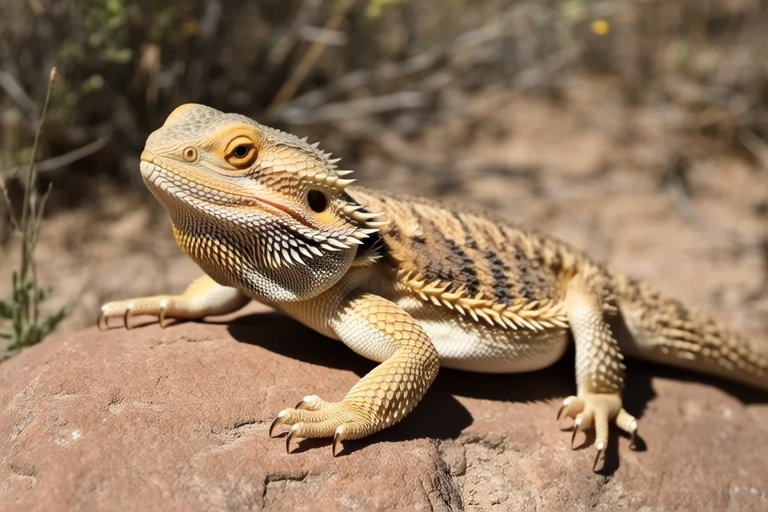
Bearded dragons are a popular choice among pet owners due to their docile nature and ease of care. Native to Australia, they inhabit arid regions such as deserts, scrublands, and dry forests. Their unique appearance, characterized by spiky scales around their throat that resemble a beard, makes them instantly recognizable. These lizards are known for their calm demeanor, which makes them ideal pets for those new to reptile ownership.
Why Bearded Dragons Make Great Pets
Bearded dragons are intelligent and interactive, often displaying behaviors like head bobbing or arm waving to communicate. They are generally easy to handle and can become quite affectionate with their owners. Additionally, their relatively low maintenance requirements compared to other exotic pets make them an excellent choice for beginners.
Selecting the Right Habitat Setup
Creating a suitable habitat is crucial for your bearded dragon’s health and happiness. The enclosure should mimic their natural environment as closely as possible while providing ample space for movement. A 40-gallon terrarium is recommended for adults, allowing plenty of room for climbing and basking.
The substrate, or floor covering, should be safe and easy to clean. Reptile carpet or paper towels are popular choices because they prevent ingestion hazards and reduce mess. Avoid loose substrates like sand, which can cause impaction if swallowed.
Proper lighting is essential for bearded dragons. UVB light helps them synthesize vitamin D3, which aids calcium absorption. Full-spectrum bulbs should be placed within 6-12 inches of the basking area, ensuring adequate exposure. A heat lamp provides warmth, maintaining a temperature gradient from 75°F at one end to 95-100°F under the basking spot.
Necessary Equipment
Besides the enclosure and lighting, several items are necessary for your bearded dragon’s comfort:
- Hiding spots: Rocks, caves, or branches offer hiding places, reducing stress.
- Basking platforms: Elevated areas let them bask comfortably.
- Water dish: Fresh water should always be available.
- Dietary supplements: Calcium and multivitamin powders help maintain nutritional balance.
Proper Diet
A balanced diet is key to keeping your bearded dragon healthy. Offer a variety of vegetables, fruits, and protein sources daily. Dark leafy greens (e.g., collard greens, mustard greens) form the base of their diet. Occasional treats of fruit provide essential vitamins but should not exceed 10% of total intake.
For protein, feed crickets, mealworms, or dubia roaches weekly. Dust these insects with calcium powder before feeding to ensure optimal nutrition.
Handling and Interaction
Learning how to handle your bearded dragon safely is important. Always wash hands before and after handling to prevent the spread of bacteria. Support their body fully, especially around the belly, to avoid injury. Approach slowly and gently, allowing them time to adjust.
Interaction should be positive and consistent, helping build trust between you and your pet. Regular handling sessions promote bonding and familiarization.
Maintaining Health and Common Issues
Regular monitoring ensures early detection of potential problems. Watch for changes in appetite, activity levels, or physical appearance. Signs of illness include lethargy, weight loss, swollen limbs, or abnormal discharges.
Common health issues include metabolic bone disease (MBD), caused by insufficient calcium; respiratory infections, often resulting from poor environmental conditions; and parasites, introduced through contaminated food or water.
Consult a veterinarian specializing in reptiles if you suspect any health concerns. Early intervention increases recovery chances significantly.
The Commitment Required
Owning a bearded dragon requires dedication and responsibility. Providing appropriate care demands attention to detail and regular maintenance. Consider factors such as financial investment, time commitment, and emotional preparedness before bringing one home.
Ensure you have the resources to meet their needs throughout their lifespan, typically 8-12 years. Be prepared for occasional veterinary visits and unexpected expenses. Establish a support network of fellow reptile owners or join online communities for advice and encouragement.
