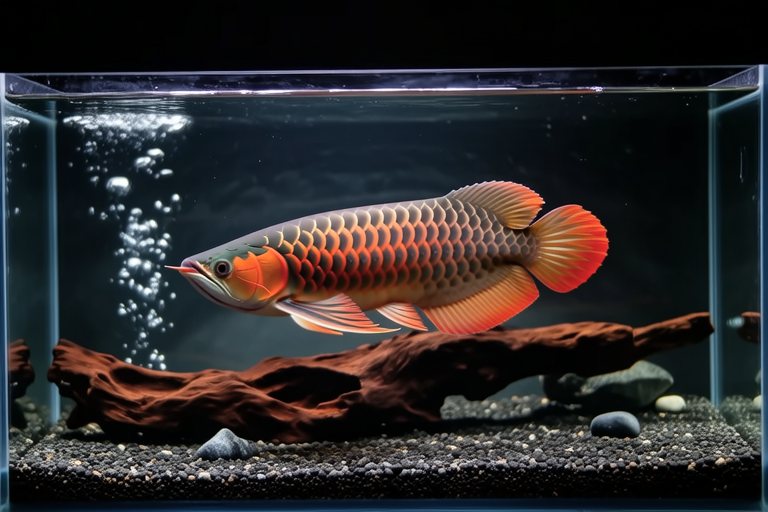
Arowana Aquariums: Setting Up the Perfect Habitat
Welcome to the fascinating world of arowana aquariums! Arowanas are highly prized for their unique appearance and behavior, making them a popular choice among aquarists. However, setting up a proper habitat for these fish requires careful planning and attention to detail. This guide will walk you through the process of creating the perfect environment for your arowanas, ensuring they thrive in their new home.
Choosing the Right Tank Size
The first step in setting up an arowana aquarium is selecting the appropriate tank size. Arowanas are large, active fish that require ample space to swim freely. The general rule of thumb is to provide at least 30 gallons of water per inch of fish. For example, a full-grown arowana can reach lengths of up to three feet, so a tank of at least 180 gallons would be suitable for one adult arowana. It’s important to note that arowanas are territorial, so if you plan to keep more than one, you’ll need an even larger tank.
Water Conditions Necessary for Arowanas
Water quality is crucial for the health and well-being of your arowanas. These fish prefer soft, slightly acidic water with a pH between 6.5 and 7.5. Maintaining stable water parameters is essential, as fluctuations can stress the fish and lead to health problems. Regular testing and adjustments using appropriate water conditioners and buffers are recommended.
Filtration Systems
An efficient filtration system is vital for keeping the water clean and free from harmful toxins. Arowanas produce a significant amount of waste, so a high-quality external filter capable of handling the volume of water in your tank is necessary. Additionally, consider incorporating biological, mechanical, and chemical filtration to ensure optimal water quality. Biological filtration helps break down harmful ammonia and nitrite, while mechanical filtration removes debris and uneaten food. Chemical filtration, such as activated carbon, can help eliminate odors and improve water clarity.
Heating
Arowanas are tropical fish that require warm water to thrive. Maintain a consistent temperature between 78°F and 84°F (25°C to 29°C) using a reliable heater. Place the heater near the filter outlet to prevent hotspots and ensure even distribution of heat throughout the tank. It’s also wise to invest in a thermostat to monitor and regulate the temperature accurately.
Lighting
Proper lighting is essential for the health of your arowanas and the overall aesthetic of your aquarium. Arowanas have a preference for dim lighting, so avoid using overly bright lights that might cause stress. Instead, opt for LED or fluorescent bulbs with a color temperature between 6500K and 10,000K, which mimic natural daylight. A photoperiod of 8 to 10 hours per day is ideal, simulating a natural day-night cycle.
Decoration for a Natural Habitat
Creating a natural habitat within your aquarium not only enhances the beauty of your setup but also provides enrichment for your arowanas. Use driftwood, rocks, and aquatic plants to mimic their natural environment. Floating plants like water lettuce and duckweed can help reduce light intensity and provide hiding spots. Arrange decorations to create open swimming areas and ensure there are no sharp edges that could injure your fish.
Maintaining Water Quality and Temperature
Maintaining optimal water quality and temperature is key to keeping your arowanas healthy. Regular water changes, typically 10-20% weekly, help remove accumulated toxins and maintain water chemistry. Test the water regularly for pH, ammonia, nitrite, and nitrate levels to ensure they remain within safe ranges. Consistent monitoring and prompt action when issues arise can prevent many health problems.
Tips on Feeding and Dietary Needs
Arowanas are carnivorous and require a diet rich in protein. Their diet should consist primarily of live or frozen foods such as feeder fish, shrimp, and insects. You can also offer commercial pellets designed for predatory fish. Feed your arowanas once or twice daily, providing only what they can consume within a few minutes to prevent overfeeding. Overfeeding can lead to poor water quality and obesity.
Common Health Issues and Preventive Measures
Like any other fish, arowanas can face health challenges. Common issues include fin rot, ich, and bacterial infections. Fin rot is often caused by poor water quality and manifests as frayed or discolored fins. Ich, a parasitic infection, appears as white spots on the fish’s body. Bacterial infections may result from stress or injury. To prevent these issues, maintain pristine water conditions, quarantine new fish before introducing them to the main tank, and handle your fish gently during routine maintenance.
Conclusion
Setting up an arowana aquarium requires dedication and attention to detail, but the rewards are well worth the effort. By following these guidelines, you can create a thriving environment that meets the specific needs of your arowanas. Remember, a well-maintained tank not only ensures the health and happiness of your fish but also adds a touch of elegance to your home. Happy fishkeeping!
