Training Tips for Raising a Happy and Healthy Pomeranian at Home
Introduction to Pomeranians
Pomeranians, or “Poms,” are small, lively dogs with a rich history dating back to the 18th century. Originating from the Pomerania region in Central Europe, these fluffy, intelligent creatures have become popular pets worldwide. Known for their alertness and loyalty, they thrive on companionship and attention. With their expressive eyes and charming demeanor, Pomeranians can quickly endear themselves to their owners.
The Importance of Early Socialization
Early socialization plays a crucial role in shaping your Pomeranian’s behavior and temperament. Exposing your puppy to various environments, people, and other animals helps them develop into well-rounded, confident adults. Start introducing your Pom to different sights, sounds, and experiences as early as possible, ideally before they reach 16 weeks old. This period is critical for imprinting positive associations and reducing fear-based behaviors.
Basic Obedience Training Techniques
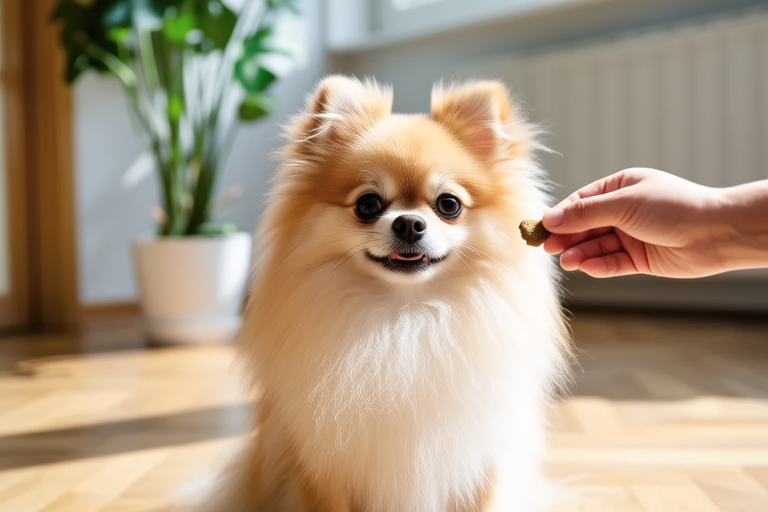
Teaching your Pomeranian basic commands like ‘sit,’ ‘stay,’ ‘come,’ and ‘leave it’ is essential for their safety and well-being. Positive reinforcement training, which involves rewarding desired behaviors with treats or praise, is highly effective. Keep training sessions short and fun, focusing on one command at a time. Consistency is key; ensure all family members use the same commands and rewards.
Nutrition and Exercise Guidelines
Proper nutrition is vital for maintaining your Pomeranian’s health. Choose high-quality dog food that meets their nutritional needs, consulting your veterinarian for recommendations based on age, size, and activity level. Avoid overfeeding to prevent obesity, which can lead to health problems. Regular exercise is equally important. Daily walks and playtime help keep your Pom fit and mentally stimulated. Indoor games and agility exercises can also be beneficial.
Grooming Tips
Pomeranians have a thick double coat that requires regular grooming to stay healthy and tangle-free. Brush your Pom at least twice a week to remove loose hair and prevent matting. Bathing should be done every few months or as needed, using a mild shampoo suitable for dogs. Additionally, check and clean their ears weekly to prevent infections, and trim their nails regularly to avoid discomfort.
Common Health Issues and Preventive Care
Despite their robust nature, Pomeranians can be prone to certain health issues. Common conditions include dental disease, luxating patellas (dislocated kneecaps), and hypothyroidism. Regular veterinary check-ups, proper diet, and routine dental care can help prevent many of these issues. Vaccinations and parasite control are also essential for keeping your Pom healthy.
Creating a Stimulating Environment
A stimulating home environment can enhance your Pomeranian’s quality of life. Provide plenty of toys and interactive puzzles to keep them mentally engaged. Rotate toys periodically to maintain interest. Consider setting up a designated play area where your Pom can explore safely. Enrichment activities, such as hide-and-seek or scent games, can also provide mental stimulation and strengthen the bond between you and your pet.
Advice on Addressing Behavioral Challenges
All dogs, including Pomeranians, may exhibit challenging behaviors from time to time. Common issues include excessive barking, chewing, and separation anxiety. Address these behaviors patiently and consistently. Redirect chewing by providing appropriate chew toys, and manage barking through positive reinforcement training. For separation anxiety, gradually increase the time spent apart, ensuring your Pom feels secure during your absence.
