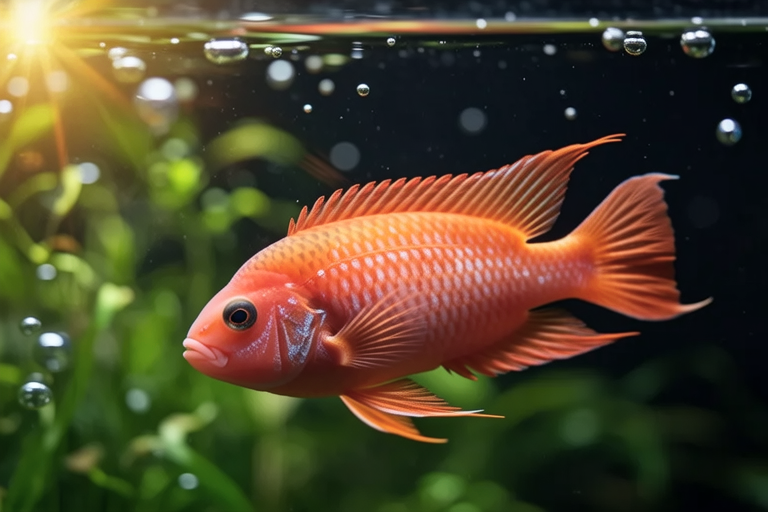
How to Care for Your Vibrant Parrot Fish Like a Pro
Welcome to the world of vibrant parrot fish care! These colorful, fascinating creatures are a joy to watch and maintain. This guide will help you set up the perfect aquarium environment, understand their dietary needs, perform regular health checks, gain insights into their behavior, and maintain top-notch water quality. Let’s dive in and explore how to care for your parrot fish like a pro.
Setting Up the Perfect Aquarium Environment
Creating a suitable habitat for your parrot fish is crucial for their well-being. Start by selecting an appropriately sized tank; parrot fish need ample space to swim comfortably. A minimum of 30 gallons is recommended for a single fish, with additional space required for each additional parrot fish.
Ensure the tank has adequate filtration systems to keep the water clean and free from harmful toxins. Parrot fish are sensitive to ammonia and nitrite levels, so investing in a high-quality filter is essential. Regularly check the filter’s performance and replace its media as needed.
Incorporate decorations that mimic the natural habitat of parrot fish. Provide caves, rocks, and driftwood to create hiding spots and enrich their environment. Live plants can also enhance the tank’s aesthetics while offering some natural filtration benefits.
Water parameters are critical for maintaining a healthy aquarium. Aim for a pH level between 6.5 and 7.5, and keep the temperature stable between 75°F and 82°F. Use a heater to maintain consistent temperatures, especially during colder months.
Dietary Needs: Nourishing Your Parrot Fish
Parrot fish have specific dietary needs to thrive. They are omnivorous, meaning they eat both plant-based and animal-based foods. A balanced diet includes high-quality pellets, flakes, and vegetables such as zucchini, peas, and spinach. Supplement their diet with occasional treats like brine shrimp or bloodworms to provide variety and additional nutrients.
Feeding them twice daily is ideal, but be cautious not to overfeed. Excess food can pollute the water and harm the fish. Observe your parrot fish during feeding times; they should eagerly accept food without leaving leftovers. Adjust portion sizes accordingly to ensure all food is consumed within a few minutes.
Consider the nutritional value of the food you choose. Opt for brands that use high-quality ingredients and avoid those containing artificial colors or preservatives. Proper nutrition supports their vibrant coloration and overall health.
Regular Health Checks: Keeping Your Parrot Fish Healthy
Monitoring your parrot fish’s health is vital for early detection of any issues. Regularly observe their behavior, appetite, and physical appearance. Healthy parrot fish are active, alert, and display vibrant colors. Any noticeable changes, such as lethargy, loss of appetite, or dull coloring, may indicate underlying health problems.
Perform weekly water tests to monitor ammonia, nitrite, and nitrate levels. High levels of these compounds can stress the fish and lead to various health issues. If necessary, perform partial water changes to maintain optimal water quality.
Invest in a reliable quarantine tank for new additions to prevent introducing diseases into your main tank. Quarantine new fish for at least two weeks before introducing them to the community tank. This precaution helps ensure the safety and health of all inhabitants.
Behavior Insights: Understanding Your Parrot Fish
Parrot fish exhibit fascinating behaviors that make them enjoyable companions. They are generally peaceful and social, often interacting with other fish in the tank. However, they can become territorial, especially when competing for food or space. It’s essential to provide enough hiding spots and territory markers to minimize conflicts.
Parrot fish are known for their curious nature and love to explore. They may investigate new objects or rearrange decorations in the tank. Encourage this exploratory behavior by providing interactive toys or structures that stimulate their curiosity.
Be aware of potential signs of stress or aggression. Rapid swimming, darting, or hiding excessively may indicate discomfort. Address any issues promptly by identifying the cause and making necessary adjustments to the tank environment.
Tips for Maintaining Water Quality
Maintaining excellent water quality is paramount for your parrot fish’s health. Implement a regular maintenance routine to ensure a clean and safe living environment. Perform weekly water changes, replacing about 25% of the tank water. This practice helps remove accumulated waste and maintain stable water parameters.
Use water conditioners to neutralize harmful chemicals found in tap water, such as chlorine and chloramines. These substances can irritate the fish’s gills and skin, leading to health issues. Always treat new water before adding it to the tank.
Monitor the tank’s biological load, which refers to the amount of waste produced by the fish and other inhabitants. An overloaded system can lead to poor water quality and stress. Maintain an appropriate stocking level based on the tank size and filtration capacity.
Finally, keep the tank’s lighting on a consistent schedule, simulating natural day and night cycles. Most parrot fish prefer 8 to 10 hours of light per day. Proper lighting promotes healthy growth and contributes to their overall well-being.
Conclusion
Caring for your vibrant parrot fish requires dedication and attention to detail. By setting up the perfect aquarium environment, understanding their dietary needs, performing regular health checks, gaining insights into their behavior, and maintaining excellent water quality, you’ll ensure your parrot fish live long, healthy, and vibrant lives. With these professional-level care techniques, you’re well on your way to becoming a parrot fish expert and providing your aquatic friends with the best possible home.
