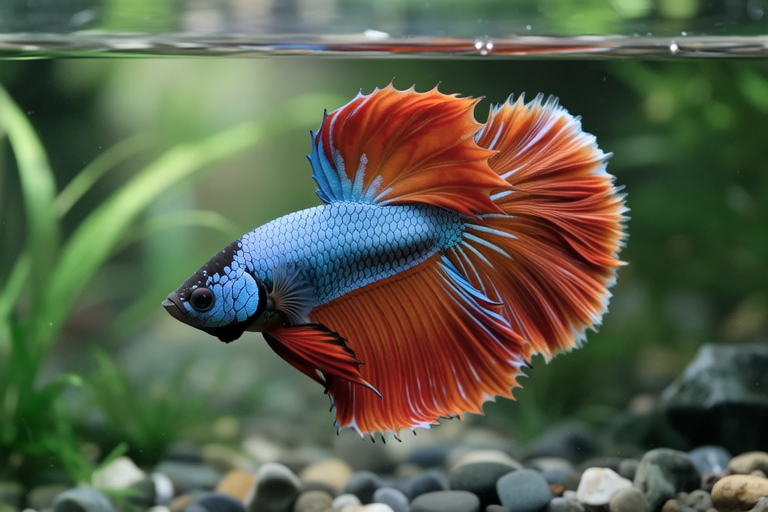
Betta Behavior Explained: Understanding Your Finny Friend
Welcome to the fascinating world of bettas! These vibrant, colorful fish are popular among aquarium enthusiasts and first-time pet owners alike. Known for their striking fins and vibrant colors, bettas have earned a reputation as low-maintenance pets. However, there’s more to these finny friends than meets the eye. In this article, we’ll explore the behavior of bettas, their native habitats, common misconceptions, and provide you with valuable insights into interpreting your betta’s actions.
Introduction to Betta Fish
Betta fish, scientifically known as Betta splendens, are native to the tropical regions of Southeast Asia, particularly Thailand, Cambodia, Vietnam, and Malaysia. They thrive in shallow rice paddies, slow-moving streams, and stagnant ponds. The natural environment of bettas is characterized by dense vegetation and warm waters, which play a significant role in shaping their behavior and needs as pets.
Common Misconceptions About Betta Behavior
One of the most prevalent misconceptions about bettas is that they can live in small containers, like vases, without proper filtration or water changes. While bettas are resilient and can survive in less-than-ideal conditions, it’s essential to provide them with a healthy and enriching environment. Another myth is that bettas are solitary creatures who don’t need company. In reality, bettas are social animals and can interact positively with other fish under the right conditions.
Territorial Displays
Bettas are known for their aggressive behavior when it comes to territory. Males, in particular, display vibrant colors and flare their fins to establish dominance over their space. This behavior is often misinterpreted as aggression towards humans, but it’s merely a natural response to perceived threats. Owners can observe this behavior during tank introductions or when new objects are added to the aquarium. It’s crucial to understand that these displays are part of the betta’s communication strategy and do not necessarily indicate hostility towards the owner.
Feeding Habits
Bettas are carnivorous and require a diet rich in protein. In the wild, they feed on insects, insect larvae, and small crustaceans. As pets, bettas enjoy high-quality betta pellets, frozen or freeze-dried bloodworms, and brine shrimp. Observing your betta’s feeding habits can provide valuable insight into its health and well-being. A healthy betta will eagerly accept food and show interest in feeding times. On the other hand, a lack of appetite may indicate stress or illness, prompting you to review the tank’s environment and consult a veterinarian if necessary.
Signs of Stress or Happiness
Understanding the signs of stress or happiness in your betta is crucial for maintaining its health and happiness. Signs of a happy betta include active swimming, bright colors, and regular eating. Conversely, stressed bettas may exhibit lethargy, dull colors, or erratic swimming patterns. Common causes of stress include poor water quality, overcrowding, and sudden environmental changes. Regular water testing and maintenance can help prevent these issues and ensure a stress-free environment for your betta.
Tips for Interpreting Betta Behavior
Interpreting your betta’s behavior requires careful observation and patience. Here are some tips to help you understand your finny friend better:
- Observe during feeding: Pay attention to how your betta reacts to food. A healthy betta will show enthusiasm and eat quickly. If your betta is hesitant or avoids food, it may be a sign of stress or illness.
- Monitor swimming patterns: Healthy bettas swim gracefully and actively explore their surroundings. Lethargic or erratic swimming could indicate stress or health issues.
- Look for color changes: Bettas can change their color based on mood and environment. Brighter colors usually indicate happiness and excitement, while dull colors may signal stress or illness.
Providing a Healthy Environment
Creating a healthy and enriching environment for your betta is key to its well-being. Here are some essential tips:
- Adequate tank size: Provide at least 2.5 gallons of water per betta. Larger tanks allow for more swimming space and better water quality.
- Proper filtration: Invest in a reliable filter to maintain water quality and prevent harmful bacteria buildup.
- Water temperature: Keep the water temperature between 76°F and 82°F (24°C and 28°C) to mimic their natural habitat.
- Regular water changes: Change 20-30% of the water weekly to keep the tank clean and free from toxins.
Bonding with Your Betta
Bonding with your betta can be a rewarding experience. Spend time near the tank each day, talk to your betta, and gently move your hand along the glass. Over time, your betta may become accustomed to your presence and even recognize you as a source of comfort and security. Some bettas may even respond to gentle tapping on the glass, showing signs of recognition and anticipation.
Dispelling Myths About Betta Care
Despite their popularity, bettas are often misunderstood. Let’s dispel some common myths:
- Myth: Bettas can live in small containers. While bettas can survive in small spaces, they thrive in larger tanks with proper filtration and water changes.
- Myth: Bettas are solitary creatures. Bettas can coexist peacefully with other fish, provided the tank is spacious and well-maintained.
- Myth: Bettas don’t need a heater. Bettas are tropical fish and require a heater to maintain a stable water temperature.
Conclusion
Betta fish are captivating and unique pets that offer endless joy and companionship. By understanding their behavior, providing a healthy environment, and dispelling common myths, you can ensure your betta lives a long and happy life. Remember, every betta is different, so take the time to get to know your finny friend and enjoy the bond you share. Whether you’re a beginner or an experienced aquarist, there’s always something new to learn about these fascinating creatures. Happy fishkeeping!
