Maine Coon: The Ultimate Guide for First-Time Cat Owners
Welcome to your comprehensive guide to owning a Maine Coon! This majestic breed is known for its gentle nature, playful demeanor, and striking appearance. Whether you’re a seasoned pet owner or embarking on this journey for the first time, this guide will provide you with all the essential information you need to ensure a happy and healthy life for your Maine Coon.
History of the Maine Coon
The Maine Coon is one of the oldest natural breeds in North America. Originating in the state of Maine, these cats were originally bred for their hunting prowess and ability to adapt to harsh climates. They were highly valued as mousers on farms and ships, and over time, they developed into the large, affectionate, and intelligent pets we know today. Their long, thick coats are a testament to their history of surviving cold New England winters.
Physical Characteristics
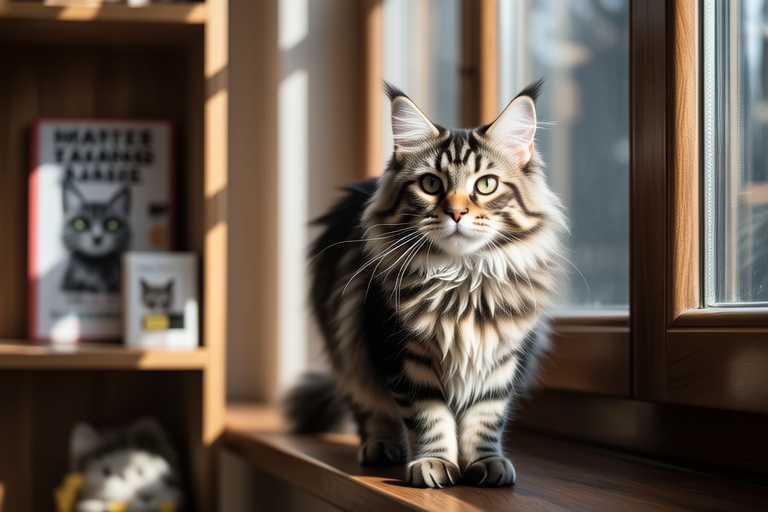
Maine Coons are often referred to as “gentle giants” due to their large size. Males can weigh between 13 to 18 pounds, while females typically range from 9 to 13 pounds. They have a broad chest, a muscular build, and a long, bushy tail that helps them balance. One of their most distinctive features is their tufted ears, which are covered with long hairs that protect them from the elements. Their coat is typically medium to long, with a water-repellent texture that is easy to maintain.
Temperament
Maine Coons are known for their friendly and sociable personalities. They are generally very affectionate towards their owners and enjoy spending time with them. These cats are also highly intelligent and can be trained to perform simple tricks or respond to commands. They are often described as having dog-like qualities, as they are known to follow their owners around the house and even play fetch. Despite their large size, Maine Coons are usually gentle and patient, making them great companions for families with children.
Grooming Needs
Although their coat may seem intimidating at first glance, grooming a Maine Coon is relatively straightforward. Brushing them once or twice a week with a slicker brush or comb will help remove loose hair and prevent matting. During shedding seasons, especially in spring and fall, more frequent brushing may be necessary. Bathing is generally not required unless the cat gets excessively dirty, but if you do decide to bathe your Maine Coon, it’s important to use a shampoo specifically designed for cats.
Dietary Requirements
Maine Coons have a high metabolism, which means they require a balanced diet rich in protein and other nutrients. High-quality commercial cat foods that meet the nutritional guidelines set by the Association of American Feed Control Officials (AAFCO) are usually sufficient. It’s important to avoid feeding them table scraps or human food, as these can be harmful to their health. Fresh water should always be available, and it’s recommended to monitor their weight to prevent obesity, which can lead to various health issues.
Health Concerns
While Maine Coons are generally healthy, they are prone to certain genetic conditions. Hypertrophic cardiomyopathy (HCM), a form of heart disease, is one of the most common issues. Regular veterinary check-ups, including heart screenings, are crucial for early detection and management of this condition. Polycystic kidney disease (PKD) is another concern, particularly in some lines. Genetic testing can help identify carriers and affected individuals. Routine vaccinations, parasite control, and dental care are also important aspects of maintaining their overall health.
Socializing and Training
Early socialization is key to helping your Maine Coon become a well-adjusted and confident adult cat. Expose them to different environments, people, and other animals from a young age to encourage positive interactions. Positive reinforcement training methods, such as clicker training, can be used to teach them basic commands and tricks. Patience and consistency are essential when training any cat, so take things slowly and celebrate small victories along the way.
Creating a Comfortable Living Environment
Your Maine Coon will thrive in a safe and stimulating environment. Provide plenty of hiding spots, scratching posts, and climbing structures to satisfy their natural instincts. A litter box in a quiet area of the home will encourage proper elimination habits. Interactive toys and puzzle feeders can help keep them mentally and physically engaged. Creating a routine for feeding, playtime, and cuddling will help your cat feel secure and loved.
Understanding Typical Behaviors
Maine Coons exhibit a variety of behaviors that are both charming and endearing. They are vocal cats, often chirping or making trilling noises to communicate. They also love to play and explore, so expect them to investigate every nook and cranny of your home. Their curiosity and intelligence make them excellent problem-solvers, and they may even try to open cabinets or doors. Understanding and appreciating these behaviors will enhance your bond with your cat.
Addressing Common Challenges
Like any pet, Maine Coons can present challenges, especially for first-time owners. Separation anxiety, inappropriate elimination, and destructive behavior are some of the most common issues. Consistency in routines and positive reinforcement can help address these challenges. If problems persist, consulting with a veterinarian or a professional animal behaviorist may be necessary. Remember, patience and perseverance are key when dealing with any behavioral issue.
Conclusion
Owning a Maine Coon is a rewarding experience that brings joy and companionship into your life. By understanding their unique needs and providing them with a loving environment, you’ll ensure a happy and healthy life for your feline friend. Embrace the adventure of cat ownership with confidence and enthusiasm, and enjoy the many wonderful moments that lie ahead.
