Unveiling the Grace: Everything You Need to Know About Ragdoll Cats
Welcome to the enchanting world of Ragdoll cats, a breed that has captured the hearts of countless cat lovers worldwide. Known for their striking appearance, gentle nature, and affectionate demeanor, Ragdolls have become one of the most popular and beloved feline companions. In this comprehensive guide, we will delve into the unique characteristics, history, and care requirements of these magnificent creatures, providing you with everything you need to know about owning a Ragdoll cat.
An Introduction to Ragdoll Cats
Ragdoll cats are renowned for their semi-longhaired coats, large size, and docile personality. Their name comes from their tendency to go limp when picked up, reminiscent of a rag doll. This unique trait, combined with their striking blue eyes and plush fur, makes them stand out among other breeds. The Ragdoll’s popularity has surged over the years due to their friendly and laid-back disposition, making them ideal for families and individuals seeking a companionable pet.
Physical Attributes
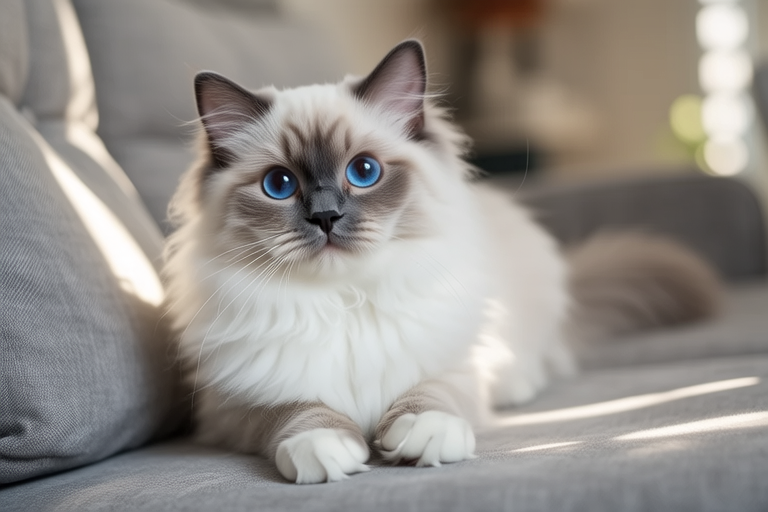
One of the first things you’ll notice about a Ragdoll is its elegant physique. These cats are medium to large in size, with males typically weighing between 10 to 20 pounds and females ranging from 8 to 15 pounds. Their bodies are muscular yet graceful, with broad chests and strong legs that give them a sturdy appearance. Ragdolls have a semi-longhaired coat that comes in various colors and patterns, including seal, chocolate, blue, and lilac, often paired with points on the ears, face, paws, and tail.
Their most distinctive feature is their striking blue eyes, which are large, round, and expressive. These eyes add to the overall charm of the Ragdoll, making them look almost otherworldly. Their coat requires regular grooming to prevent matting and tangles, but the effort is well worth it, as their luxurious fur adds to their regal appearance.
Temperament and Personality
Ragdoll cats are famous for their docile and affectionate nature. They are known to be extremely social and enjoy spending time with their human companions. Unlike many other breeds, Ragdolls tend to follow their owners around the house, seeking attention and interaction. They are patient and gentle, making them excellent companions for children and other pets. Their calm demeanor and lack of aggression make them perfect for households where harmony is key.
Another remarkable trait of Ragdolls is their tendency to go limp when held, which is why they are called ‘Ragdolls.’ This behavior, coupled with their love for being cuddled, makes them ideal lap cats. Despite their relaxed nature, Ragdolls are also playful and curious, enjoying interactive toys and games. Their intelligence allows them to learn tricks and respond to commands, adding to their appeal as trainable pets.
Care Requirements
Owning a Ragdoll cat involves more than just providing food and shelter; it requires dedication to their specific needs. Their long, silky coats require regular brushing to keep them clean and free from mats. Daily grooming sessions are recommended, especially during shedding seasons. Bathing your Ragdoll may also be necessary, but it should be done sparingly to avoid stripping their skin of natural oils.
In addition to grooming, Ragdolls need a balanced diet to maintain their health and vitality. High-quality cat food rich in protein and essential nutrients is recommended. Regular veterinary check-ups are crucial to ensure early detection and prevention of health issues. Vaccinations, dental care, and parasite control are all part of responsible ownership. Providing a safe and stimulating environment is also important, with plenty of toys, scratching posts, and climbing structures to keep them entertained.
History and Development
The history of Ragdoll cats dates back to the 1960s when Ann Baker, a breeder in Riverside, California, developed the breed. She selectively bred her own cat, Josephine, with several male cats of unknown ancestry. Josephine was known for her sweet temperament and tendency to go limp when picked up, traits that were passed down to her offspring. Over the years, Ann Baker refined the breed by introducing Persian and Burmese bloodlines, resulting in the distinctive Ragdoll we know today.
The breed gained recognition in the 1970s when other breeders began working with Ann Baker to establish the Ragdoll standard. The International Cat Association (TICA) recognized the Ragdoll as a formal breed in 1993, and it has since become one of the most popular and sought-after cat breeds. Today, Ragdolls are cherished for their unique combination of beauty, grace, and affection, making them a favorite among cat enthusiasts.
Choosing a Ragdoll Cat
When considering a Ragdoll cat, it’s important to research reputable breeders and visit catteries to meet potential kittens. Look for breeders who prioritize the health and well-being of their cats, ensuring they provide proper care and socialization. Kittens should appear healthy, active, and well-socialized, with clear eyes, clean fur, and no signs of illness.
It’s also essential to consider the responsibilities that come with owning a Ragdoll. Are you prepared to commit to their grooming needs? Do you have enough space to accommodate their playful and curious nature? Are you willing to invest in their healthcare and nutrition? By carefully considering these factors, you can ensure that you’re ready for the rewarding experience of owning a Ragdoll cat.
Training and Socialization
Ragdoll cats are highly trainable and responsive to positive reinforcement. They can be taught simple commands, such as coming when called or using a scratching post. Training sessions should be short and fun, using treats and praise to reward good behavior. Consistency is key, as Ragdolls thrive on routine and predictability.
Socialization is equally important, especially for young kittens. Exposing them to different people, animals, and environments helps them develop confidence and adaptability. Ragdolls are generally friendly and sociable, but early socialization ensures they remain comfortable in various situations throughout their lives.
Maintaining Health
Regular veterinary care is crucial for maintaining the health of your Ragdoll cat. Annual check-ups allow veterinarians to monitor their overall health and address any concerns before they become serious. Vaccinations protect against common diseases, while parasite control prevents infestations of fleas, ticks, and worms.
A balanced diet is essential for maintaining their weight and energy levels. High-quality cat food that meets their nutritional needs should be provided, along with fresh water at all times. Regular exercise through playtime and environmental enrichment keeps them physically fit and mentally stimulated.
Tips for Potential Owners
If you’re considering bringing a Ragdoll into your home, there are several tips to keep in mind. First, prepare your living space by creating a safe and comfortable environment for your new cat. Provide hiding spots, perches, and scratching posts to satisfy their natural instincts. Second, establish a routine for feeding, grooming, and playtime to ensure consistency and structure. Third, be patient and understanding as your Ragdoll adjusts to their new surroundings. They may take some time to settle in, but their affectionate nature will soon shine through.
Finally, consider the long-term commitment of owning a Ragdoll. These cats can live up to 15 years or more, so it’s important to be prepared for a long-term relationship. With proper care and attention, your Ragdoll will bring joy and companionship to your life for many years to come.
The Benefits of Owning a Ragdoll Cat
Owning a Ragdoll cat offers numerous benefits, both emotional and practical. Their affectionate nature provides companionship and comfort, reducing stress and loneliness. Their gentle demeanor makes them ideal for households with children and other pets. Additionally, their low-maintenance litter box habits and minimal shedding contribute to a cleaner home environment.
Moreover, Ragdolls have a calming presence that can improve the overall atmosphere of your home. Their relaxed and peaceful demeanor can help create a serene and harmonious living space. Ultimately, the bond formed with a Ragdoll cat is one of trust, affection, and mutual enjoyment, making them an invaluable addition to any family.
In conclusion, Ragdoll cats are truly unique and captivating creatures that offer a delightful and enriching experience for their owners. From their striking appearance and gentle nature to their playful and affectionate personalities, Ragdolls have much to offer. By understanding their needs and providing proper care, you can ensure a happy and healthy life for your Ragdoll cat. Whether you’re a seasoned cat owner or a first-time pet parent, a Ragdoll cat is sure to bring endless joy and companionship to your life.
