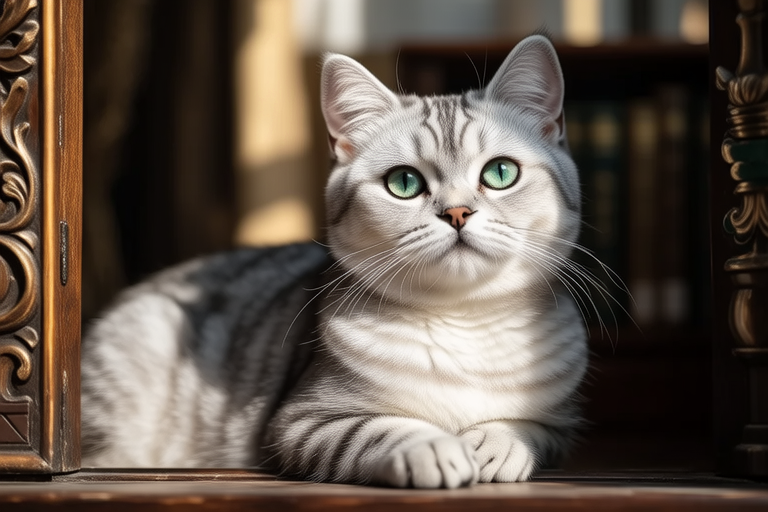
From Palace Pets to Purring Companions: The Journey of the British Shorthair Silver
The British Shorthair has been a cherished presence in the lives of the British monarchy for centuries, transitioning from regal companions to beloved household pets. This majestic feline breed has captured hearts with its distinctive appearance and amiable temperament. In this article, we delve into the historical significance of the British Shorthair in royal settings, explore its evolution from palace pets to family companions, and highlight the unique features that make it a perfect choice for modern-day pet lovers.
A Royal Heritage
The British Shorthair’s journey begins in the grand halls of the British monarchy. These cats have long been associated with nobility and royalty, serving as both companions and symbols of status. Historical records suggest that the breed was introduced to Britain by Roman invaders, who brought with them domesticated cats from the Mediterranean region. Over time, these cats adapted to the British climate and environment, evolving into the robust and sturdy breed we recognize today.
One of the most famous British Shorthair cats linked to royalty is Whiskers, a white British Shorthair owned by Queen Victoria. Whiskers was known for his gentle demeanor and affectionate nature, making him a favorite among the queen’s many pets. Another notable mention is Duchess, the black British Shorthair who accompanied King George V during his reign. Duchess was said to have a calming presence, often being sought out by the king when he needed comfort or solace.
Physical Characteristics and Unique Coat
The British Shorthair is renowned for its thick, plush double coat that provides excellent insulation against the cold. The silver variety of this breed is particularly striking, featuring a silvery-blue hue that shimmers under light. Their round heads, wide-set eyes, and short ears give them a distinctively sweet and friendly expression. The breed’s stocky build and muscular body make them appear strong and resilient.
Their eyes, typically large and expressive, can range from copper to gold, depending on the cat’s coat color. The silver coat, in particular, is highly prized for its soft texture and metallic sheen. This unique coloring is due to a dilution gene that lightens the coat to a silvery-blue, while maintaining the breed’s characteristic dense fur.
Temperament and Adaptability
Beyond their striking appearance, British Shorthair Silvers are known for their calm and gentle nature. They are affectionate without being overly demanding, making them ideal companions for busy households. Their adaptability allows them to thrive in various living environments, from bustling city apartments to spacious rural homes. Despite their independent streak, they enjoy spending quality time with their human families, often seeking out affection through gentle purring and head butts.
These cats are particularly well-suited for families with children, as they tend to be patient and tolerant. They are also generally good with other pets, provided they are introduced gradually and given time to adjust. Their even-tempered disposition makes them a popular choice for first-time cat owners and experienced pet parents alike.
Modern-Day Popularity
In recent years, the British Shorthair Silver has gained significant popularity as a family pet. Their gentle nature and adaptability have made them a favorite among cat enthusiasts. Breeders across the country work diligently to maintain the breed’s health and genetic diversity, ensuring that future generations of British Shorthair Silvers continue to embody the qualities that have endeared them to so many.
Today, the breed can be found in numerous households, where they serve as loyal companions and cherished members of the family. Their history of royal association has added to their appeal, making them a symbol of elegance and grace in the world of feline companionship.
Care and Health Considerations
Owning a British Shorthair Silver requires a commitment to proper care and attention. Regular grooming is essential to keep their luxurious coat in top condition. Daily brushing helps prevent matting and distributes natural oils throughout the fur, promoting a healthy shine. Additionally, providing a balanced diet rich in nutrients supports their overall health and vitality.
Veterinary care is another crucial aspect of owning a British Shorthair Silver. Routine check-ups help ensure early detection and treatment of any potential health issues. Common conditions such as obesity, dental problems, and respiratory infections can be managed effectively with regular visits to the vet. Maintaining a clean living environment and providing adequate mental stimulation also contribute to their well-being.
For prospective pet parents, it’s important to research reputable breeders and consider adopting from shelters or rescue organizations. Understanding the breed’s needs and committing to lifelong care will ensure a rewarding relationship with your British Shorthair Silver companion.
