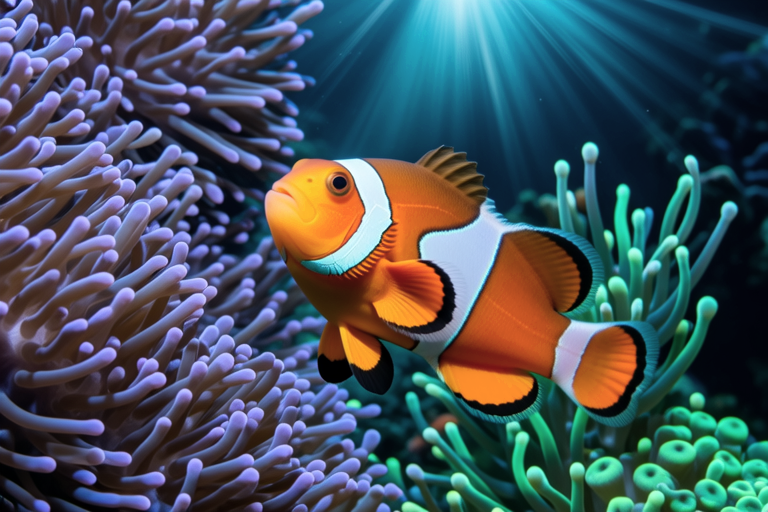
How to Make Your Clownfish Happy and Healthy at Home
Welcome to the fascinating world of marine aquariums! If you’re considering adding a clownfish to your underwater family, you’ve chosen one of the most beloved and vibrant species available. Clownfish are known for their striking colors and playful personalities, making them a popular choice among both novice and seasoned aquarists. This comprehensive guide will help you understand how to set up an ideal environment, maintain optimal water conditions, select appropriate tank mates, provide a balanced diet, and ensure regular maintenance to keep your clownfish happy and healthy.
Optimal Tank Setup
Creating a suitable habitat is crucial for the well-being of your clownfish. Start by selecting a tank that meets the minimum size requirement; ideally, a 30-gallon tank or larger is recommended. A larger tank offers more swimming space and helps in maintaining stable water parameters. For a pair of clownfish, a 55-gallon tank is advisable.
In addition to the tank size, it’s important to include plenty of live rock and coral structures. These not only provide hiding spots but also contribute to biological filtration, which is vital for maintaining water quality. Clownfish thrive in environments that mimic their natural reef habitats, so incorporating anemones into the tank can be beneficial. Anemones offer protection from predators and serve as feeding stations for the clownfish.
When setting up the tank, ensure proper lighting. Clownfish require moderate lighting levels to simulate natural sunlight. Use LED lights with a color spectrum that promotes plant growth and enhances the vibrant colors of the fish. Regularly clean the glass and decorations to prevent algae buildup, which can negatively impact water quality.
Water Conditions
Maintaining pristine water conditions is key to keeping your clownfish healthy. The temperature should remain between 78°F and 82°F (25°C to 28°C), while pH levels should be kept within the range of 8.1 to 8.4. Ammonia and nitrite levels should be undetectable, while nitrate levels should be kept below 20 ppm.
To achieve these conditions, perform regular water changes. Aim for a 10% weekly water change, increasing to 20% if necessary. Utilize high-quality filters and consider adding a protein skimmer to remove organic waste before it breaks down into harmful compounds. Test kits are essential tools for monitoring water parameters and ensuring they stay within safe ranges.
Clownfish are sensitive to sudden changes in water chemistry, so acclimate them gradually when introducing them to a new tank. Float the bag containing the fish in the aquarium for about 15 minutes to equalize temperatures. Then, slowly add small amounts of tank water to the bag over a period of 30 minutes. Once acclimated, gently release the fish into their new home.
Suitable Tank Mates
Choosing compatible tank mates is essential for maintaining harmony within the aquarium. Clownfish are generally peaceful and can coexist with many other species. However, it’s important to avoid aggressive or territorial fish that might bully or compete for resources. Good companions include damsels, wrasses, tangs, and small gobies.
Avoid housing multiple pairs of clownfish together unless you have a very large tank. Male clownfish can become territorial and may fight over space, especially if there are insufficient hiding spots. Additionally, ensure there are enough anemones or other hiding places for each pair, as overcrowding can lead to stress and aggression.
It’s also wise to introduce new tank mates gradually. Allow existing fish time to adjust to their surroundings before adding newcomers. This helps minimize stress and allows all inhabitants to establish their territories peacefully.
Diet Requirements
Feeding your clownfish a balanced diet is crucial for their overall health. In the wild, clownfish primarily feed on zooplankton, small crustaceans, and algae. In captivity, they can thrive on a variety of prepared foods, including flakes, pellets, and frozen or freeze-dried brine shrimp, mysis shrimp, and bloodworms.
Feed your clownfish two to three times daily, offering small portions each time. Overfeeding can lead to poor water quality and obesity. Monitor their eating habits and adjust feeding amounts accordingly. Some clownfish may show preference for certain types of food, so it’s beneficial to offer a varied diet to ensure they receive all necessary nutrients.
Consider supplementing their diet with fresh vegetables like spinach or spirulina wafers. These additions can provide additional vitamins and minerals, promoting optimal health. Always introduce new foods gradually to allow your clownfish to adapt and accept them readily.
Regular Maintenance
Consistent care and maintenance are vital for sustaining a healthy marine ecosystem. Perform routine water testing to monitor ammonia, nitrite, nitrate, pH, and salinity levels. Adjust these parameters as needed to maintain stability. Skim the surface of the water daily to remove any floating debris or uneaten food.
Inspect the tank regularly for signs of algae growth or equipment malfunctions. Clean the filter media and replace it every month or as recommended by the manufacturer. Vacuum the substrate gently to remove excess detritus without disturbing beneficial bacteria colonies. Prune live plants and corals as needed to promote healthy growth and prevent overcrowding.
Pay attention to the behavior of your clownfish. Healthy clownfish are active swimmers, often darting around the tank and interacting with their surroundings. Any significant changes in activity levels, appetite, or appearance could indicate underlying health issues.
Signs of a Healthy Clownfish
Observing your clownfish closely will help you identify signs of good health. A healthy clownfish has vibrant colors, clear eyes, and smooth, intact fins. They should swim gracefully throughout the tank, showing no signs of lethargy or difficulty moving. Appetite remains consistent, and they should eagerly accept offered food.
Regularly check for any physical abnormalities such as lesions, discoloration, or excessive mucus production. These symptoms could signal parasitic infections or bacterial diseases. If you notice any concerning signs, isolate the affected fish immediately and consult a veterinarian specializing in aquatic animals for diagnosis and treatment.
Common Health Issues
Despite best efforts, clownfish may still encounter health problems. One common issue is ich, a parasitic infection characterized by white spots on the body and fins. Another prevalent condition is fin rot, where the edges of the fins become ragged and discolored. Both of these ailments can be treated with medications specifically designed for marine fish.
Parasites like Cryptocaryon irritans (marine velvet) and Oodinium pillularis (velvet) can cause severe distress if left untreated. Symptoms include rapid breathing, scratching against objects, and loss of color. Prompt action is necessary to prevent further complications.
Preventative measures include quarantining new additions for several weeks before introducing them to the main tank. Quarantine tanks equipped with heaters, filters, and appropriate lighting can help monitor potential issues early. Regular partial water changes and maintaining pristine water conditions are also effective preventative strategies.
Tips for Behavioral Enrichment
Providing mental stimulation is just as important as physical care. Clownfish are intelligent creatures that benefit from environmental enrichment. Introduce toys or interactive elements like floating objects or weighted structures that encourage exploration and play. Incorporating different textures and surfaces can stimulate sensory development.
Consider creating a feeding game by scattering food throughout the tank rather than placing it directly in front of the clownfish. This encourages natural foraging behaviors and keeps them engaged. Rotate tank decorations periodically to maintain novelty and interest.
Some clownfish enjoy interacting with their human caregivers. Gently hand-feed them using tongs or feeding sticks to build trust and strengthen the bond between you and your pet. Always approach slowly and calmly to avoid startling them.
Conclusion
Maintaining a happy and healthy clownfish requires dedication and attention to detail. By following the guidelines outlined in this article, you’ll create an ideal living environment that supports their physical and emotional needs. Remember that each fish is unique, so observe their behavior closely and adjust care practices accordingly. With proper care and enrichment, your clownfish will thrive, bringing joy and beauty to your home aquarium.
