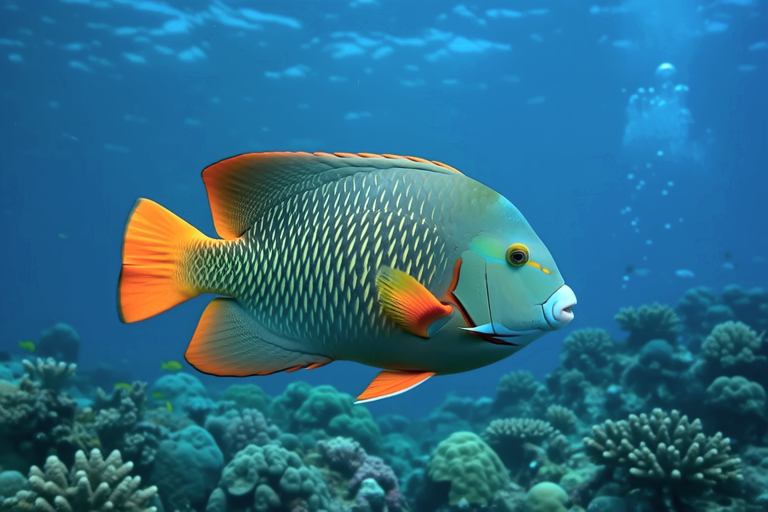
Conservation Crisis: Saving the Majestic Parrot Fish from Extinction
The world’s oceans are home to a myriad of creatures, each playing a vital role in maintaining the delicate balance of marine ecosystems. Among these, the parrot fish stands out as a remarkable species, both for its striking appearance and its significant ecological contributions. This article delves into the urgent need to conserve the parrot fish, which is currently facing numerous threats that jeopardize its very existence.
The Majestic Parrot Fish: A Vital Marine Species
The parrot fish, belonging to the family Scaridae, is a vibrant and colorful inhabitant of coral reefs around the globe. These fish are easily recognizable due to their beak-like mouths, which they use to scrape algae off rocks and corals. Their diet of algae helps control the growth of these plants, preventing them from smothering the reef and ensuring the health of the entire ecosystem. In addition to their role as algae grazers, parrot fish also contribute to the formation of sand on tropical beaches through a process known as bioerosion. As they feed, they ingest and excrete coral fragments, which eventually become part of the sandy substrate found along coastlines.
Parrot fish come in a variety of colors and patterns, making them a popular subject for underwater photography and ecotourism. Their bright hues range from electric blues and greens to fiery oranges and yellows, creating a dazzling spectacle beneath the waves. Despite their beauty, however, many people are unaware of the crucial role these fish play in maintaining healthy coral reefs. The loss of parrot fish could lead to significant changes in reef ecosystems, affecting not only marine life but also human communities that depend on these resources for food, income, and recreation.
Threats to the Parrot Fish Population
The parrot fish population has been declining at an alarming rate due to several factors, the most pressing being overfishing. Many species of parrot fish are highly sought after for their meat, particularly in certain regions where they form an important part of the local diet. Unfortunately, unsustainable fishing practices have led to severe depletion of parrot fish stocks, threatening the long-term survival of this vital species.
Habitat destruction poses another major threat to parrot fish. Coral reefs, which serve as the primary habitat for these fish, are under constant pressure from human activities such as coastal development, pollution, and climate change. The construction of hotels, resorts, and other infrastructure often results in the removal or degradation of coral reefs, reducing available space for parrot fish to live and reproduce. Pollution from agricultural runoff, sewage discharge, and industrial waste further exacerbates the problem by causing water quality issues that can harm both the fish themselves and the corals they rely on.
Climate change also plays a significant role in the decline of parrot fish populations. Rising sea temperatures and ocean acidification can lead to coral bleaching events, where stressed corals expel the symbiotic algae living within their tissues, turning white and often dying. Without healthy corals, parrot fish lose their homes and food sources, making it difficult for them to survive. Additionally, changing ocean conditions may alter the distribution and abundance of algae, affecting the availability of food for these herbivorous fish.
Conservation Efforts and Success Stories
Recognizing the importance of parrot fish and the threats they face, various conservation efforts are underway to protect this species and restore damaged ecosystems. One notable initiative involves the establishment of marine protected areas (MPAs), which provide safe havens for parrot fish and other marine life. MPAs restrict certain types of fishing and other activities within designated zones, allowing fish populations to recover and thrive. For example, the Great Barrier Reef Marine Park in Australia has implemented a network of MPAs aimed at preserving the region’s rich biodiversity, including parrot fish.
Local communities play a crucial role in conservation efforts, often taking the lead in implementing sustainable fishing practices and protecting their marine environments. In some parts of the Caribbean, community-based organizations have established no-fishing zones and promoted alternative livelihoods for fishermen, helping to reduce pressure on parrot fish populations. By involving local stakeholders in decision-making processes, conservation initiatives are more likely to succeed, as they address both environmental and social concerns.
International organizations also contribute significantly to parrot fish conservation through research, advocacy, and funding. The Global Coral Reef Monitoring Network, for instance, conducts regular assessments of coral reef health and works with governments and NGOs to develop strategies for improving reef management. Similarly, the International Union for Conservation of Nature (IUCN) maintains a Red List of Threatened Species, which includes several species of parrot fish, raising awareness about the risks they face and prompting action to protect them.
A Call to Action: Protecting the Parrot Fish for Future Generations
The ongoing conservation crisis surrounding the parrot fish underscores the urgent need for collective action to safeguard this magnificent species and the ecosystems it supports. While progress has been made through various initiatives, much work remains to be done to ensure the long-term survival of parrot fish. Individuals can make a difference by supporting sustainable seafood choices, participating in beach cleanups, and advocating for stronger protections for marine environments.
By raising awareness about the importance of parrot fish and the threats they face, we can inspire others to take action and contribute to conservation efforts. Whether through policy changes, community involvement, or personal lifestyle choices, every effort counts in the fight against extinction. Let us join forces to protect the parrot fish and preserve the vibrant marine ecosystems upon which we all depend.
