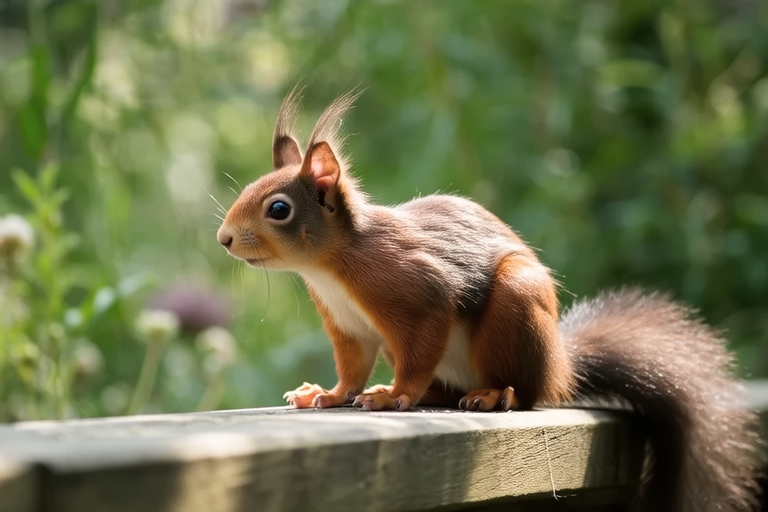
From Backyard Visitor to Beloved Pet: The Surprising World of Squirrels
Squirrels, those bushy-tailed, agile creatures, are a common sight in many backyards across the globe. Often perceived merely as fleeting visitors, they scurry about with a sense of purpose that piques our curiosity. These small mammals, known for their acrobatic prowess and quick movements, have long been admired for their ability to navigate through trees with ease and gather nuts and seeds with remarkable efficiency. While most people consider squirrels as just passing guests, there is a surprising trend emerging where individuals are taking these wild animals into their homes as pets.
The Initial Perception: Backyard Visitors
For many, the first encounter with a squirrel occurs in the backyard. These visits are usually brief, as squirrels are naturally wary of humans and prefer to maintain a safe distance. They dart from tree to tree, their keen eyes scanning for potential threats or opportunities for food. This initial interaction often leaves people in awe of their speed and agility. Squirrels are frequently seen leaping from branch to branch with a grace that seems almost effortless, and their ability to land on their feet without a moment’s hesitation is a testament to their natural athleticism.
Their presence is both comforting and intriguing, as they add a touch of wildlife to suburban and urban landscapes. However, despite their charming demeanor, squirrels are still regarded as wild animals, and their visits are typically short-lived. This perception changes for some when they realize the depth of these creatures’ intelligence and adaptability.
Unique Traits of Squirrels
What sets squirrels apart from other wild animals is their remarkable intelligence. Studies have shown that squirrels can remember the location of thousands of hidden caches of food, a skill that is crucial for their survival during colder months. Their memory is so precise that they can retrieve stored food even after several months have passed. This cognitive ability is one of the reasons why squirrels are increasingly being recognized for more than just their physical attributes.
In addition to their intelligence, squirrels are also known for their agility. Their strong hind legs allow them to leap great distances, and their sharp claws enable them to grip onto bark and branches with ease. This combination of strength and dexterity makes them excellent climbers and jumpers. Squirrels are also incredibly adaptable, thriving in various environments, from forests to city parks. This adaptability has led some to wonder if it would be possible to bring a squirrel into their home and establish a bond with it.
Dietary habits are another fascinating aspect of squirrel behavior. Squirrels are omnivores, primarily consuming nuts, seeds, fruits, and occasionally insects. They have a particular fondness for acorns and walnuts, which they store in caches for later consumption. This habit of hoarding food not only ensures their survival but also provides a glimpse into the complex behaviors of these seemingly simple creatures. Understanding these habits can help those who wish to adopt squirrels as pets better meet their nutritional needs.
The Trend of Adopting Squirrels as Pets
The idea of adopting a squirrel as a pet might sound unconventional, but it is becoming increasingly popular among certain groups. People who choose to bring squirrels into their homes are often motivated by the desire to form a deeper connection with nature and to provide a sanctuary for an animal that might otherwise face challenges in the wild. However, this decision comes with its own set of challenges and responsibilities.
One of the primary challenges is the legal status of keeping squirrels as pets. In many places, it is illegal to keep wild animals as pets due to concerns over public safety and animal welfare. Before considering adopting a squirrel, it is crucial to research local laws and regulations. Some areas may require permits or licenses, while others may prohibit the practice entirely. It is essential to understand and comply with these rules to avoid legal issues and ensure the well-being of the animal.
Another significant challenge is providing appropriate care for a squirrel. Unlike domesticated pets such as dogs or cats, squirrels have specific needs that must be met to thrive in a captive environment. They require a diet rich in nuts, seeds, and fresh vegetables, along with access to clean water. Additionally, squirrels need plenty of space to exercise and climb, as they are highly active animals. A cage designed specifically for a squirrel, with multiple levels and plenty of toys, can help meet these needs. Providing mental stimulation is also important, as squirrels are intelligent creatures that enjoy problem-solving activities.
Despite these challenges, many people find that the rewards of adopting a squirrel far outweigh the difficulties. The bond formed between human and squirrel can be profound, with squirrels often displaying affectionate behaviors towards their caretakers. They may sit on shoulders, nuzzle faces, and engage in playful interactions. For those who are willing to put in the time and effort, having a squirrel as a pet can be a rewarding experience.
Tips for Turning a Backyard Squirrel into a Pet
If you are considering adopting a squirrel from your backyard, there are several steps you can take to increase your chances of success. First, it is important to approach the squirrel gradually and with caution. Squirrels are naturally skittish and may become stressed if approached too quickly. Start by offering small amounts of food from a distance, allowing the squirrel to become comfortable with your presence.
Once the squirrel begins to trust you, you can try gently capturing it using a towel or blanket. Be sure to handle the squirrel carefully, as they can be fragile and may bite if they feel threatened. Once captured, it is essential to take the squirrel to a veterinarian for a health check-up and to discuss the best course of action for its care. A veterinarian familiar with exotic animals can provide valuable guidance on diet, housing, and overall health.
Legal considerations are paramount. As mentioned earlier, it is crucial to understand and comply with local laws regarding the possession of wild animals. In some cases, it may be necessary to obtain a permit or license to keep a squirrel as a pet. Additionally, it is important to consider the long-term commitment involved in caring for a squirrel. These animals can live for up to 20 years, and providing for their needs requires a significant investment of time and resources.
Creating a suitable living environment is another critical aspect of caring for a pet squirrel. Squirrels need plenty of space to move around and play, so a large cage with multiple levels and climbing structures is ideal. The cage should also be equipped with toys and enrichment items to stimulate the squirrel’s mind and keep it entertained. Providing access to outdoor spaces, such as a secure yard or enclosure, can also be beneficial for the squirrel’s physical and mental health.
The Bond Between Humans and Squirrels
The relationship between humans and squirrels can be a deeply rewarding one. Many people who have adopted squirrels as pets report feeling a strong emotional connection with their new companions. Squirrels are known for their playful and curious nature, and they often display affectionate behaviors towards their caretakers. This bond can be particularly meaningful for those who seek a closer connection with nature and want to provide a home for an animal that might otherwise struggle to survive in the wild.
However, it is important to approach the idea of adopting a squirrel with caution and responsibility. Not all squirrels are suitable candidates for domestication, and some may never fully adjust to life in captivity. It is essential to evaluate each squirrel individually and to be prepared for the possibility that the animal may never become fully comfortable around humans. Patience and understanding are key, as forming a bond with a wild animal takes time and effort.
Conclusion: The Adaptability of Squirrels and Responsible Pet Ownership
The adaptability of squirrels is truly remarkable, and their increasing acceptance as companions reflects a growing appreciation for the diversity of life. As more people recognize the intelligence and charm of these creatures, it is essential to promote responsible pet ownership. Adopting a squirrel as a pet should be done with careful consideration of the animal’s needs and the legal and ethical implications involved.
By providing proper care and creating a nurturing environment, it is possible to form a deep and meaningful bond with a pet squirrel. However, it is important to remember that these animals remain wild at heart and may never fully adjust to life in captivity. With patience, understanding, and a commitment to responsible pet ownership, those who choose to adopt a squirrel can enjoy a unique and rewarding relationship with one of nature’s most fascinating creatures.
