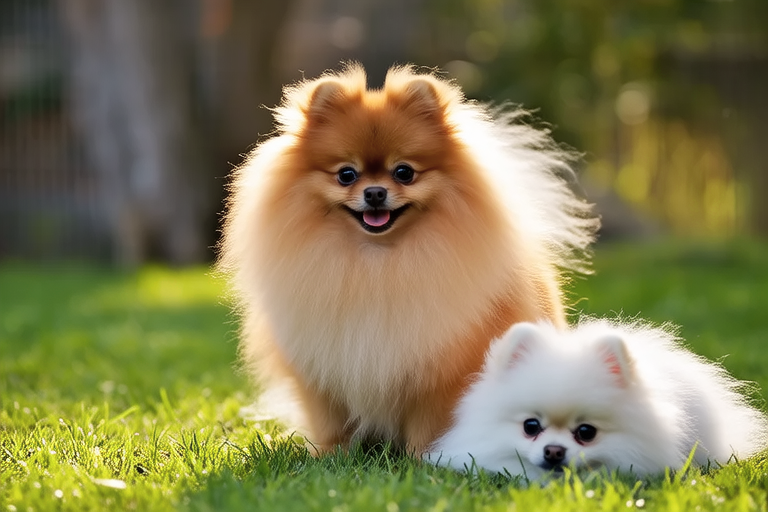
Pomeranians Unleashed: Discover Their Unique Traits and Care Tips
Welcome to the world of Pomeranians, one of the most beloved and charismatic dog breeds. These tiny bundles of energy have captured the hearts of many, making them one of the most popular toy breeds in the world today. Originating from the ancient land of Pomerania, now part of Poland and Germany, these dogs were initially bred as larger working dogs. Over time, they were selectively bred down to their current petite size, maintaining their spunky spirit and intelligent demeanor.
Origins and Popularity
The history of Pomeranians dates back several centuries, with their ancestors being larger sled-pulling dogs. The breed’s transformation into the adorable companion we know today is largely attributed to Queen Victoria, who fell in love with a small Pomeranian during her reign in the 19th century. Her affection for the breed helped popularize it across Europe and beyond. Today, Pomeranians are cherished for their loyalty, playfulness, and adaptability, making them perfect companions for families and individuals alike.
Physical Traits
Size
Pomeranians are classified as toy dogs, typically weighing between 3 to 7 pounds and standing around 6 to 7 inches tall at the shoulder. Despite their small stature, they possess an air of confidence that belies their diminutive size.
Coat
One of the most striking features of Pomeranians is their lush, double-layered coat. The outer coat is long, straight, and harsh, while the undercoat is soft and dense. This luxurious coat can come in various colors, adding to the breed’s charm. Proper grooming is essential to maintain the health and appearance of their coat, preventing matting and skin irritations.
Color Variations
Pomeranians come in a wide array of colors, including orange, cream, black, brown, red, sable, and blue. Each color variation adds its own unique flair, allowing potential owners to choose a Pomeranian that best matches their personal style and preferences.
Behavioral Traits, Temperament, and Intelligence
Temperament
Pomeranians are known for their cheerful and vivacious personalities. They are highly affectionate towards their family members, often forming strong bonds with their owners. However, they can be somewhat reserved or even aloof with strangers, which makes early socialization crucial for ensuring they grow up to be well-rounded and friendly.
Intelligence
These dogs are incredibly smart and quick learners, making them ideal candidates for obedience training. Their intelligence also means they can be easily distracted, so consistent and positive reinforcement training methods are recommended to keep their attention focused.
Behavioral Traits
Pomeranians are naturally curious and playful, often displaying a high level of energy. They enjoy interactive games and puzzles, which help stimulate their minds and keep them engaged. While they are generally good with children, their small size means they require gentle handling to avoid accidental injuries.
Care Tips
Nutrition
Feeding a Pomeranian requires careful attention to portion control due to their small size. High-quality dog food specifically formulated for toy breeds is recommended, as it provides the necessary nutrients in appropriate quantities. Avoid overfeeding, as obesity can lead to various health issues, including joint problems and diabetes.
Grooming
The thick double coat of Pomeranians requires regular brushing to prevent tangles and mats. Weekly brushing sessions are ideal, though daily brushing may be necessary during shedding seasons. Bathing should be done every few months, or as needed, to maintain hygiene without stripping the coat of its natural oils.
Exercise Needs
Despite their small size, Pomeranians need regular exercise to stay healthy and happy. Daily walks and indoor play sessions are essential to meet their exercise requirements. Mental stimulation through interactive toys and training exercises can also help burn off excess energy.
Common Health Issues
Like all breeds, Pomeranians are prone to certain health conditions. Regular veterinary check-ups are crucial for early detection and management of potential issues. Common health concerns include dental problems, patellar luxation (dislocation of the kneecap), and hypoglycemia (low blood sugar). Maintaining a healthy diet and regular exercise routine can help mitigate these risks.
Training Methods and Socializing
Training Pomeranians involves patience and consistency. Positive reinforcement techniques, such as treats and praise, work best for this breed. Early socialization is vital to ensure your Pomeranian grows up to be a well-adjusted and friendly companion. Expose your puppy to different people, animals, and environments from an early age to foster confidence and good behavior.
In conclusion, Pomeranians are delightful companions with a rich history and unique characteristics. By understanding their origins, physical traits, behavioral tendencies, and care requirements, you can provide the best possible life for your furry friend. Whether you’re a seasoned dog owner or considering adopting your first Pomeranian, this guide offers valuable insights to help you embark on a rewarding journey together.
