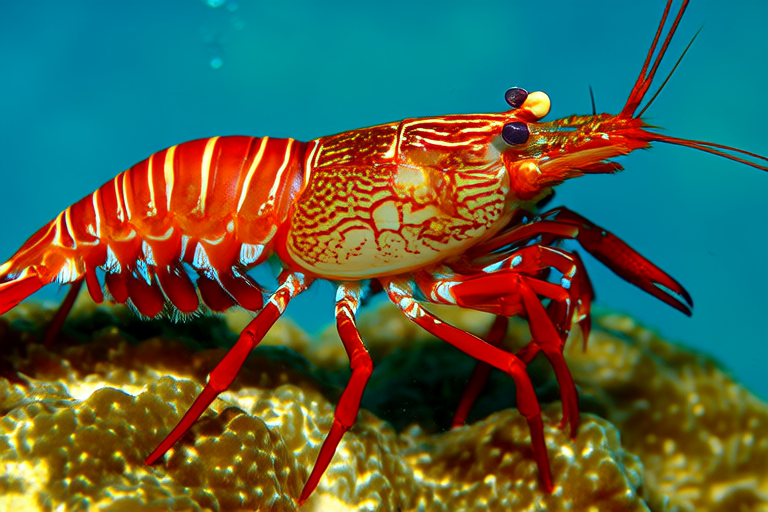
Coral Shrimp: The Secret to a Thriving Saltwater Aquarium Ecosystem
Introduction
Coral shrimp, also known as cleaner shrimp, are becoming increasingly popular among saltwater aquarium enthusiasts. These tiny crustaceans offer numerous benefits to your marine environment, playing a crucial role in maintaining a healthy ecosystem. This article will explore the advantages of introducing coral shrimp into your saltwater aquarium, providing guidance on proper care, compatible tank mates, and necessary environmental conditions for optimal shrimp health.
The Benefits of Coral Shrimp
Coral shrimp are natural cleaners, helping to keep your aquarium’s water clean and clear by consuming algae and detritus. Their presence can significantly reduce the amount of uneaten food and waste, preventing harmful bacteria from thriving. In addition, they contribute to the overall balance of your marine environment by promoting beneficial microorganisms that support coral growth and other marine life.
These shrimp are particularly adept at removing unwanted algae from rocks, corals, and other surfaces within the tank. By keeping these areas free of algae, coral shrimp help maintain the aesthetic appeal of your aquarium while also preventing the overgrowth that could harm delicate corals or hinder light penetration.
Introducing and Caring for Coral Shrimp
When introducing coral shrimp into your saltwater aquarium, it is essential to acclimate them slowly to avoid shock. Begin by floating the shrimp’s bag in the tank water for about 15 minutes, then gradually add small amounts of tank water to the bag over the next hour. After this period, gently release the shrimp into the main tank.
Proper feeding is vital for the well-being of coral shrimp. While they primarily consume algae and detritus, you can supplement their diet with commercial shrimp food or blanched vegetables like zucchini or spinach. Ensure that any additional food does not overwhelm the tank, as excessive uneaten food can lead to water quality issues.
Maintaining suitable water parameters is crucial for the health of coral shrimp. Keep the temperature between 72°F and 82°F (22°C to 28°C), with a pH level of 8.1 to 8.4. Ammonia and nitrite levels should be zero, while nitrate concentrations should remain below 20 ppm. Regular water changes and proper filtration will help maintain these ideal conditions.
Compatible Tank Mates and Environmental Conditions
Selecting appropriate tank mates for your coral shrimp is important to ensure their safety and well-being. Compatible species include small fish such as cardinal tetras, neon tetras, and guppies. Avoid aggressive or predatory fish that may view the shrimp as prey. Additionally, refrain from housing coral shrimp with hermit crabs or other large crustaceans that might compete for food or space.
To create an optimal environment for coral shrimp, provide ample hiding spots using live rock, caves, or artificial structures. These shelters offer protection from potential threats and encourage natural behavior. Ensure that the tank contains plenty of surface area for algae growth, which serves as both a food source and habitat for the shrimp.
Aesthetic Value and Interesting Behaviors
Beyond their functional benefits, coral shrimp bring unique aesthetic appeal to your saltwater aquarium. Their translucent bodies often feature vibrant colors, making them visually striking additions to any marine display. Furthermore, observing their fascinating behaviors can provide hours of entertainment for aquarists.
Coral shrimp exhibit intriguing social interactions and cleaning habits. They frequently gather around specific areas of the tank, forming “cleaning stations” where other fish and invertebrates come to have parasites removed. This symbiotic relationship demonstrates the interconnectedness of marine ecosystems and highlights the importance of maintaining biodiversity within your aquarium.
Potential Challenges and Solutions
Despite their many advantages, there are some challenges associated with keeping coral shrimp in a saltwater aquarium. One common issue is cannibalism among shrimp populations. To mitigate this risk, introduce shrimp gradually and monitor their interactions closely. If signs of aggression appear, consider separating individuals or increasing the number of hiding spots available.
Another challenge faced by aquarists is ensuring adequate food supply for coral shrimp. While they primarily rely on algae and detritus, providing supplemental feedings can help maintain their energy levels and promote healthy growth. Be cautious not to overfeed, as excess food can lead to water quality problems.
Conclusion
In conclusion, coral shrimp play a vital role in maintaining a vibrant and balanced marine environment within your saltwater aquarium. Their ability to clean algae and detritus contributes significantly to water clarity and overall ecosystem health. Proper introduction, care, and environmental conditions are essential for their well-being, while selecting compatible tank mates ensures a harmonious community.
By incorporating coral shrimp into your saltwater setup, you not only enhance the biological diversity but also enjoy the aesthetic beauty and entertaining behaviors they bring. Ultimately, these tiny cleaners serve as indispensable components of a thriving marine ecosystem, fostering harmony among all inhabitants.
