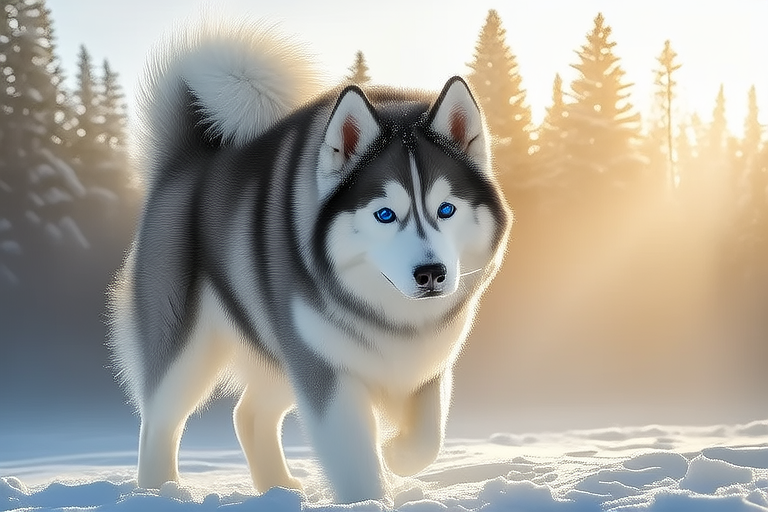
The Mystique and Allure of Siberian Huskies
Siberian Huskies have long captured the imagination of dog lovers around the world with their striking appearance, friendly nature, and rich history. Originating from the icy tundras of Siberia, these dogs have evolved over centuries to become both formidable working dogs and beloved pets. This article explores the origins and history of Siberian Huskies, delves into their physical characteristics, temperament, and unique traits, and provides insights into their health, care requirements, and common misconceptions. We’ll also highlight stories and facts that showcase their resilience, loyalty, and adaptability, and offer tips for potential owners considering adopting a Siberian Husky.
Origins and History
The story of the Siberian Husky begins in the vast, frozen landscapes of Siberia, where they were bred by the Chukchi people, an indigenous group known for their nomadic lifestyle. These hardy people relied on sled dogs to transport their goods and supplies across the harsh terrain. Over time, the Chukchi selectively bred their dogs for endurance, speed, and agility, creating the Siberian Husky we know today. The breed’s ability to thrive in extreme cold and their capacity to pull heavy loads over long distances made them invaluable to their masters.
In the early 20th century, Siberian Huskies gained international recognition when they were imported to Alaska to participate in sled dog races. Their success in these events, particularly during the famous “Great Race of Mercy” in 1925, which saw them deliver life-saving serum to a remote Alaskan town during a diphtheria outbreak, solidified their reputation as exceptional working dogs. Today, Siberian Huskies continue to excel in sledding and racing, but they have also found a place in many homes as cherished family pets.
Physical Characteristics
Siberian Huskies are medium-sized dogs with a striking appearance that sets them apart from other breeds. They typically weigh between 35 to 60 pounds and stand about 20 to 24 inches tall at the shoulder. Their most distinctive feature is their double coat, which consists of a soft, dense undercoat and a longer, coarser outer coat. This dual-layered coat provides excellent insulation against the cold and helps them maintain a healthy body temperature in various weather conditions.
Another defining characteristic of Siberian Huskies is their expressive blue, brown, or bi-colored eyes. Their faces are framed by thick fur, giving them a wolf-like appearance, and their ears are triangular and erect. Their tails are bushy and curl over their backs when they are alert or excited. Overall, Siberian Huskies possess a graceful, athletic build that reflects their heritage as working dogs.
Temperament and Unique Traits
Siberian Huskies are known for their friendly, outgoing personalities. They are generally good-natured and get along well with people, including children and other animals. However, their independent streak can sometimes lead to stubbornness, making them challenging to train. Early socialization and consistent, positive reinforcement training methods are essential for shaping their behavior.
One of the most endearing traits of Siberian Huskies is their love for adventure. They have an innate desire to explore and are often found running around, chasing after squirrels, or simply enjoying the outdoors. Their high energy levels mean they require plenty of exercise and mental stimulation to stay happy and healthy. Despite their independent nature, Siberian Huskies are deeply loyal to their families and form strong bonds with their human companions.
Health and Care Requirements
While Siberian Huskies are generally healthy dogs, they are prone to certain genetic disorders, such as hip dysplasia, eye problems like progressive retinal atrophy, and a condition called hypothyroidism. Regular veterinary check-ups and screenings for these conditions can help ensure your Siberian Husky lives a long and healthy life.
Maintaining their coat requires regular grooming, especially during shedding seasons when they lose large amounts of fur. Brushing them several times a week can help manage shedding and keep their coat in top condition. Additionally, Siberian Huskies need a balanced diet rich in protein to support their active lifestyles. Providing them with plenty of fresh water and a nutritious diet will help them maintain their energy levels and overall health.
Common Misconceptions
One common misconception about Siberian Huskies is that they are suitable for all climates. While they are well-adapted to cold environments, they can also thrive in warmer regions if given appropriate shelter and shade. Another myth is that Siberian Huskies are aggressive. In reality, they are gentle and affectionate dogs, though their independent nature may sometimes be mistaken for aggression.
Stories and Facts
One of the most famous stories involving Siberian Huskies is the “Great Race of Mercy” in 1925. During a diphtheria outbreak in Nome, Alaska, a team of Siberian Huskies led by a dog named Balto delivered life-saving serum to the town, saving countless lives. This event not only highlighted the breed’s strength and endurance but also brought them into the spotlight as heroes.
Another fascinating fact about Siberian Huskies is their ability to travel long distances without stopping. In the hands of skilled mushers, they can cover hundreds of miles in a single race, showcasing their incredible stamina and determination. Their resilience and adaptability have made them indispensable partners for humans in some of the harshest environments on Earth.
Tips for Potential Owners
If you’re considering adopting a Siberian Husky, it’s important to understand the responsibilities involved in caring for this majestic breed. First and foremost, Siberian Huskies require plenty of exercise and mental stimulation to prevent boredom and destructive behavior. Daily walks, runs, or play sessions are essential to keep them physically and mentally engaged.
Training a Siberian Husky can be challenging due to their independent nature, so patience and consistency are key. Positive reinforcement techniques, such as treats and praise, work best when teaching them new commands and behaviors. Socializing your Siberian Husky from an early age will help them develop good manners and confidence around other people and animals.
Finally, it’s crucial to provide your Siberian Husky with a safe, comfortable living environment. Whether you live in a house with a yard or an apartment, ensuring they have access to outdoor spaces where they can run and play is vital. Additionally, consider investing in a sturdy fence or leash to prevent them from wandering off, as their natural instinct to explore can sometimes lead them astray.
Conclusion
Siberian Huskies are more than just beautiful dogs; they are resilient, loyal, and adaptable companions with a rich history and unique traits that make them stand out. From their origins in the icy tundras of Siberia to their place in modern households, these dogs have earned their reputation as both working dogs and beloved pets. By understanding their physical characteristics, temperament, and care requirements, potential owners can provide the love and attention these magnificent creatures deserve. Adopting a Siberian Husky is a rewarding experience for those willing to take on the responsibility of caring for this majestic breed.
