The Intriguing Origins and Evolution of Siamese Cats
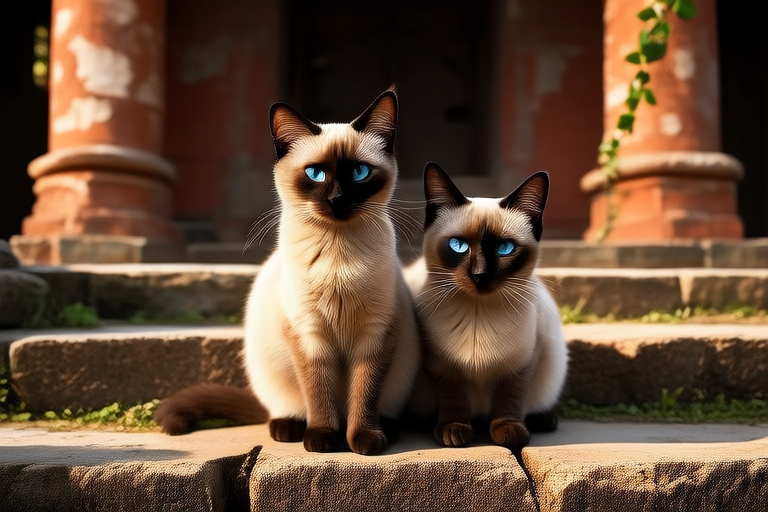
The Siamese cat, with its striking blue almond-shaped eyes and sleek, slender body, has captured the hearts of many cat enthusiasts around the world. These elegant felines have a rich history that spans centuries, from their origins in ancient Siam (now Thailand) to their current status as one of the most popular pet breeds globally. This article delves into the fascinating journey of the Siamese cat, exploring its historical significance, cultural impact, and the evolution of its appearance and temperament.
Origins in Ancient Siam
The earliest records of Siamese cats date back to the 14th century, where they were highly valued in Siam as revered temple guardians. According to legend, these cats were believed to possess mystical powers, capable of protecting sacred temples from evil spirits. The Siamese royal family also kept these cats as cherished companions, symbolizing their high social status and wealth.
In the early 1800s, the first Siamese cats arrived in Europe when King Rama V of Siam gifted a pair to Sir Edward Blencowe Hamilton, an English diplomat stationed in Bangkok. This marked the beginning of the breed’s international recognition and popularity. The cats’ unique appearance and charming personalities quickly captivated European audiences, leading to increased demand and breeding efforts.
The Victorian Era: Siamese Cats in Britain
During the Victorian era, Siamese cats became a fashionable addition to British households. Queen Victoria herself was an admirer of the breed, and her interest further fueled the popularity of Siamese cats among the upper classes. The breed’s exotic allure and graceful demeanor made it a favorite subject of paintings and literature during this period.
However, not everyone shared the enthusiasm for these cats. Some critics found their vocal nature and distinctive appearance off-putting, describing them as “unnatural” or “alien-looking.” Despite such criticism, the Siamese cat’s appeal continued to grow, and by the late 19th century, it had become one of the most sought-after breeds in Europe.
The Early 20th Century: American Adoption
Siamese cats made their way to the United States in the early 20th century, where they quickly gained popularity. The breed’s striking looks and affectionate nature made it an ideal companion for American families. In 1906, the Siamese Cat Club was established in the UK, followed by the formation of similar clubs in the US, which helped standardize the breed’s characteristics and promote responsible breeding practices.
During this period, the Siamese cat underwent several changes in appearance. Breeders focused on enhancing the breed’s distinctive features, such as its sleek coat, slender build, and vivid blue eyes. These efforts resulted in the development of various sub-breeds, including the Balinese, Javanese, and Oriental Shorthair, all of which share ancestry with the original Siamese.
Cultural Impact and Media Representation
The Siamese cat has played a significant role in shaping popular culture. From children’s books to Hollywood films, these cats have been featured in numerous works of art and entertainment. One of the most famous depictions of a Siamese cat is Cheshire Cat from Lewis Carroll’s Alice’s Adventures in Wonderland, which has become an iconic image in literature.
In the realm of cinema, Siamese cats have appeared in classic films such as The Aristocats (1970) and Babe (1995), showcasing their playful and intelligent nature. These portrayals have contributed to the breed’s enduring popularity and helped dispel some of the negative stereotypes associated with their vocal tendencies.
Temperament and Personality Traits
Siamese cats are known for their curious and sociable personalities, often forming strong bonds with their human companions. They are highly intelligent and enjoy interacting with people, making them excellent candidates for households seeking an interactive pet. Their vocal nature can be both a blessing and a curse; while some owners find their chirping and meowing endearing, others may find it challenging.
Despite their reputation for being vocal, Siamese cats are generally easy to train and adapt well to indoor living. They thrive in environments that provide mental stimulation and physical activity, such as puzzle toys and climbing structures. Regular playtime and attention help keep these cats happy and healthy, preventing behavioral issues caused by boredom or loneliness.
Health Considerations and Care
While Siamese cats are generally healthy, they are prone to certain genetic conditions, including dental problems, heart disease, and respiratory issues. Responsible breeding practices, regular veterinary check-ups, and proper nutrition are essential for maintaining the health and longevity of these cats.
Grooming requirements for Siamese cats are minimal due to their short coats. Weekly brushing helps remove loose hair and keeps their skin and coat in optimal condition. Additionally, Siamese cats require routine dental care, including regular teeth brushing and professional cleanings, to prevent gum disease and tooth decay.
Modern Breeding Developments
Over the years, breeders have worked tirelessly to improve the Siamese cat’s appearance and temperament. Modern Siamese cats are generally more robust and less prone to health issues compared to earlier generations. Advances in veterinary medicine and genetics have also contributed to the overall well-being of these cats.
Today, there are two main types of Siamese cats recognized by major cat registries: Traditional and Modern. Traditional Siamese cats retain the stockier build and rounder faces of their ancestors, while Modern Siamese cats exhibit the slender, elongated bodies and wedge-shaped heads favored by contemporary breed standards. Both types are equally loved by cat enthusiasts, offering a range of appearances to suit individual preferences.
Integration into Modern Households
In recent decades, Siamese cats have become increasingly integrated into modern households. Their intelligence, loyalty, and affectionate nature make them ideal companions for families, singles, and retirees alike. Many owners appreciate the breed’s ability to form strong emotional bonds with humans, providing comfort and companionship.
Social media platforms have also played a role in promoting the Siamese cat’s popularity. Online communities dedicated to cat lovers share photos, videos, and stories about their beloved pets, helping to spread awareness about the breed’s unique qualities and needs. As a result, more people are discovering the joys of owning a Siamese cat and learning how to provide them with the best possible care.
Conclusion
The Siamese cat’s journey from revered temple guardian in ancient Siam to beloved household pet is a testament to its enduring charm and appeal. Over the centuries, these cats have captured the imaginations of people across cultures, inspiring admiration, curiosity, and devotion. As we continue to learn more about their history and characteristics, it is clear that Siamese cats will remain a cherished part of our lives for generations to come.
