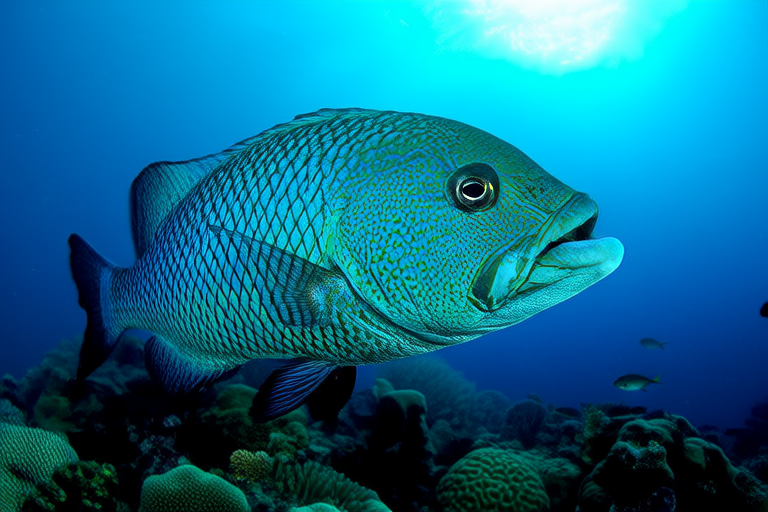
Top 10 Fascinating Facts About Parrot Fish That Will Amaze You
Parrotfish are some of the most colorful and unique creatures found in marine ecosystems. Known for their vibrant hues and distinctive beak-like mouths, these fish play a crucial role in maintaining the health of coral reefs. Their diverse behaviors and adaptations make them a subject of fascination for both marine biologists and casual observers alike. This article delves into ten fascinating facts about parrotfish that will leave you amazed.
1. Vibrant Color Changes: A Kaleidoscope Underwater
One of the most striking features of parrotfish is their ability to change colors. These color shifts are not just aesthetic but serve various purposes such as communication, camouflage, and mating displays. For instance, juvenile parrotfish often start life as dull brown or gray to blend into their surroundings, protecting them from predators. As they mature, their colors become more vibrant, displaying a spectrum of blues, greens, and yellows. Some species can even alter their appearance within minutes to confuse potential threats or attract mates.
2. Sleep With Your Mouth Guarded
Parrotfish have an extraordinary sleeping habit. To protect themselves from nocturnal predators, they secrete a mucus cocoon around their bodies before bedtime. This slimy layer acts as a protective shield, masking their scent and deterring parasites and small predators. Scientists believe this behavior also helps them conserve energy during sleep. Imagine drifting off to dreamland wrapped in your own personal bubble – that’s what it’s like for a parrotfish!
3. Architects of Coral Reefs
Parrotfish are often referred to as the architects of coral reefs due to their significant impact on the structure and health of these vital ecosystems. By grazing on algae and other organic matter covering corals, they help maintain the balance between coral growth and algal overgrowth. Their feeding habits essentially create space for new coral polyps to settle and grow, contributing to the overall resilience and biodiversity of coral reefs.
4. Unique Feeding Behavior
- Parrotfish possess specialized teeth arranged in rows, resembling a parrot’s beak, which they use to scrape algae and small organisms from rocks and coral surfaces.
- They also ingest large amounts of coral rock, which passes through their digestive system, producing sand. In some areas, up to 90% of the sand on beaches comes from the digestion of coral by parrotfish.
5. Defensive Mechanisms: The Power of Camouflage
Parrotfish employ several defensive strategies to evade predators. Their ability to change colors is one of the primary methods of defense. Additionally, many species exhibit disruptive coloration, where bold patterns break up their outline, making it harder for predators to focus on them. Some parrotfish can also bury themselves partially in the sand when threatened, further reducing their visibility.
6. Social Structures and Communication
Parrotfish live in complex social structures and communicate through a variety of signals. They form schools during certain times of the year, particularly when migrating or spawning. These schools can consist of hundreds of individuals, creating a spectacular sight underwater. Communication among parrotfish involves visual cues, body movements, and sounds produced by grinding their pharyngeal teeth. These interactions help reinforce social bonds and coordinate group activities.
7. Reproduction and Mating Rituals
Parrotfish reproduce through a process called broadcast spawning, where females release millions of eggs and males release sperm into the water column simultaneously. This mass spawning increases the chances of fertilization and reduces predation on individual gametes. Some species exhibit sequential hermaphroditism, meaning individuals can change sex during their lifetime. Typically, smaller fish are female, while larger ones transition to male as they grow. This ensures genetic diversity and contributes to the sustainability of populations.
8. Adaptations to Marine Life
Parrotfish have evolved several remarkable adaptations to thrive in their aquatic environment. Their swim bladders, which help regulate buoyancy, allow them to remain stationary near the ocean floor while feeding. They also possess excellent eyesight and lateral line systems, enhancing their ability to detect vibrations and navigate through murky waters. These adaptations enable parrotfish to efficiently locate food sources and avoid danger in their dynamic habitat.
9. Threats and Conservation Efforts
Despite their ecological importance, parrotfish face numerous threats, including overfishing, habitat destruction, and climate change. Overfishing poses a significant risk to many parrotfish populations, especially those targeted for their meat and vibrant skin. Habitat degradation, primarily caused by pollution and coastal development, further compromises the health of coral reefs, which are essential for parrotfish survival. Climate change-induced coral bleaching events also disrupt the delicate balance of marine ecosystems.
10. Importance of Conservation
Conserving parrotfish and their habitats is crucial for maintaining the health and biodiversity of marine ecosystems. Protecting these fascinating creatures not only preserves the beauty and complexity of coral reefs but also supports the livelihoods of communities dependent on fishing and tourism. By supporting sustainable fishing practices, reducing pollution, and advocating for marine protected areas, we can ensure the continued existence of parrotfish and the vibrant ecosystems they inhabit.
Conclusion
Parrotfish are truly remarkable creatures that captivate both scientists and nature enthusiasts alike. From their dazzling color changes to their critical role in coral reef health, these fish offer a wealth of fascinating insights into marine life. Understanding and appreciating the unique characteristics of parrotfish underscores the importance of conservation efforts aimed at preserving their habitats and ensuring the long-term sustainability of our oceans. Let us work together to protect these amazing fish and the ecosystems they call home.
