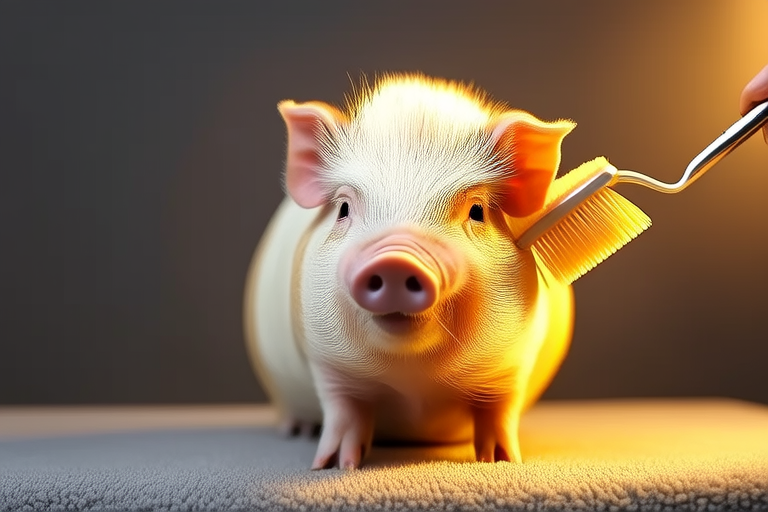
Guinea Pig Grooming: Tips and Tricks to Keep Them Looking Their Best
Welcome to the world of guinea pig grooming! Regular grooming is essential for your furry friend’s health and happiness. Proper grooming not only keeps your guinea pig looking its best but also helps prevent health issues such as skin infections, overgrown nails, and dental problems. By dedicating time to grooming, you’re fostering a strong bond with your pet while ensuring it remains healthy and comfortable.
Necessary Grooming Tools
To effectively groom your guinea pig, you’ll need a few essential tools:
- Soft-bristled brush: Ideal for removing loose hair and debris from your guinea pig’s coat.
- Flea comb: Useful for checking for parasites and gently removing any ticks or fleas.
- Nail clippers: Necessary for keeping your guinea pig’s nails at a manageable length.
- Tooth file: Helps maintain the proper length of your guinea pig’s incisors.
- Bathing supplies: A gentle shampoo specifically designed for small animals and a soft towel.
- Grooming table: Provides a stable surface for your guinea pig to sit on during grooming sessions.
Frequency of Grooming
The frequency of grooming depends on your guinea pig’s breed, age, and overall health. Short-haired breeds generally require less frequent grooming compared to long-haired breeds. As a general guideline:
- Brush: Once or twice a week to keep the coat clean and free of tangles.
- Bath: Every 4-6 weeks, depending on the dirtiness of your guinea pig.
- Nail clipping: Monthly, or more frequently if nails grow quickly.
- Tooth filing: Every 3-4 months, or as needed based on the condition of the teeth.
Bathing Techniques
While guinea pigs don’t require frequent baths, occasional cleaning can be beneficial. Here’s how to bathe your guinea pig safely:
- Prepare: Fill a shallow container with warm water and add a small amount of gentle shampoo designed for small animals.
- Wet: Gently wet your guinea pig’s coat, avoiding the head area.
- Lather: Apply the shampoo and massage it into the coat, paying special attention to the areas prone to dirt.
- Rinse: Thoroughly rinse the shampoo from the coat, ensuring no residue remains.
- Dry: Wrap your guinea pig in a soft towel and gently pat dry. Use a hair dryer set on low heat and held at a safe distance if necessary.
Nail Trimming Methods
Overgrown nails can cause discomfort and difficulty walking for your guinea pig. Here’s how to trim them safely:
- Inspect: Check your guinea pig’s nails regularly to identify which ones need trimming.
- Hold: Gently hold your guinea pig and stabilize its paw by wrapping it in a soft cloth.
- Trim: Using nail clippers, carefully cut just the tip of the nail, avoiding the quick (the pink part containing blood vessels).
- File: Smooth any rough edges with a nail file.
- Check: If unsure about the quick’s location, consult a veterinarian for guidance.
Teeth Care
Guinea pigs have continuously growing teeth that need regular attention. Follow these steps to ensure their dental health:
- Provide hay: Ensure your guinea pig has unlimited access to hay, which helps wear down the teeth naturally.
- Check: Inspect your guinea pig’s teeth monthly for any signs of overgrowth or misalignment.
- File: If the teeth appear too long, gently file them with a tooth file designed for small animals.
- Consult: If you notice any issues with your guinea pig’s teeth, seek professional help from a veterinarian.
Fur Maintenance
Maintaining your guinea pig’s fur involves regular brushing and monitoring for any signs of matting or skin irritation:
- Brush: Brush your guinea pig’s coat weekly to remove loose hair and prevent matting.
- Inspect: Check for any signs of skin irritation, such as redness or flaking, and address them promptly.
- Trim: If your guinea pig has long hair, consider trimming it to reduce the risk of mats forming.
- Massage: Regularly massaging your guinea pig’s skin can improve circulation and promote healthier fur growth.
Handling Guinea Pigs During Grooming
Proper handling is crucial to ensure your guinea pig remains calm and comfortable during grooming:
- Approach gently: Always approach your guinea pig calmly and avoid sudden movements.
- Hold securely: Support your guinea pig’s body with one hand under its chest and the other supporting its hindquarters.
- Talk softly: Speak in a soothing voice to reassure your guinea pig throughout the process.
- Use treats: Offer small treats as positive reinforcement during grooming sessions.
- Take breaks: If your guinea pig becomes agitated, take short breaks to allow it to relax before continuing.
Recognizing Signs of Grooming-Related Issues
It’s important to recognize signs that indicate potential issues related to grooming:
- Redness or swelling: These may indicate an infection or allergic reaction.
- Excessive scratching: Could signal skin irritation or parasite infestation.
- Difficulty eating: May point to dental problems requiring professional attention.
- Anemia: Dark-colored stool or pale gums could indicate internal bleeding due to nail trimming accidents.
If you notice any of these signs, consult a veterinarian immediately for proper diagnosis and treatment.
In conclusion, grooming your guinea pig is an essential aspect of responsible pet ownership. By following the tips and techniques outlined in this guide, you can help ensure your guinea pig remains healthy, comfortable, and looking its best. Remember to always prioritize your guinea pig’s well-being and seek professional assistance whenever necessary.
