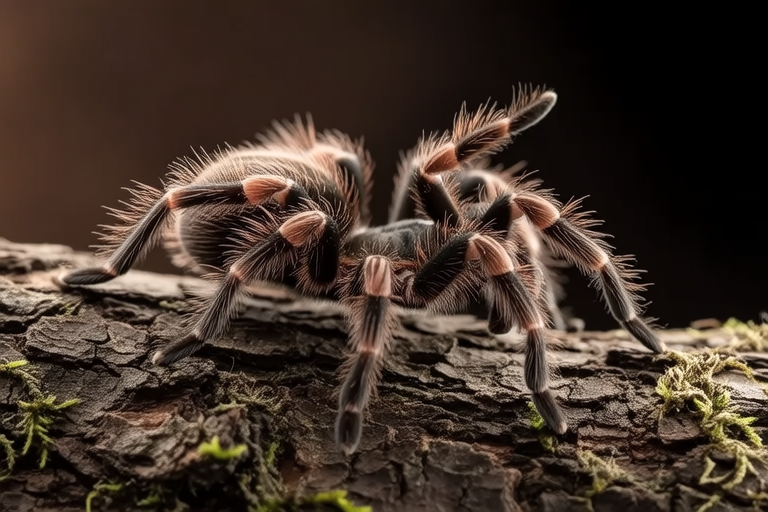
Tarantulas as Pets: Separating Myths from Reality
When it comes to exotic pets, tarantulas often spark curiosity and fear. These large, hairy spiders have earned a reputation as aggressive and dangerous creatures, which is far from the truth. In this article, we’ll separate the myths from reality, explore the fascinating world of tarantulas, and provide you with all the information you need to decide if they’re the right pet for you.
Dispelling Common Myths About Tarantulas
The most prevalent myth about tarantulas is that they are aggressive and dangerous. This couldn’t be further from the truth. While tarantulas can defend themselves if threatened, they are generally docile and will only bite if provoked. Their venom is mild and comparable to a bee sting, posing little threat to humans. Another myth is that tarantulas are solitary creatures that require no social interaction. While they do prefer solitude, this doesn’t mean they lack interesting behaviors or don’t enjoy the company of their keepers.
The Reality of Tarantula Temperament and Care Requirements
Tarantulas are surprisingly low-maintenance pets. They are primarily nocturnal and spend much of their time resting in their burrows or webbing. Their care requirements are minimal compared to other pets, making them ideal for those who want a unique companion without the hassle of constant attention.
Appropriate Housing
A suitable enclosure for your tarantula should be spacious enough to allow for movement and climbing. The size of the enclosure depends on the species; smaller species like Brachypelma albopilosum require a 5-gallon tank, while larger species like Aphonopelma chalcodes may need a 10-gallon tank. Ensure the enclosure has proper ventilation and is escape-proof. A substrate of coconut fiber, peat moss, or soil should be provided to mimic their natural habitat. Add hiding spots such as cork bark or half logs for your tarantula to retreat into.
Diet and Feeding
Tarantulas are carnivorous and require a diet of live insects. Crickets, mealworms, and dubia roaches are popular choices. Feed your tarantula once or twice a week, depending on its age and size. It’s essential to gut-load the feeder insects with nutritious food before offering them to your tarantula. Remove any uneaten prey within 24 hours to prevent contamination. Additionally, provide a shallow water dish for hydration.
Handling Tips
While tarantulas are generally calm, they can become stressed when handled. Always approach your tarantula slowly and gently. Use a long-handled tool, such as a paintbrush or chopstick, to coax your tarantula out of its enclosure. Avoid picking up your tarantula unless necessary, as this can cause stress and potential injury. If you must handle your tarantula, support its body and legs carefully to prevent damage.
Initial Setup Costs vs Long-Term Care Expenses
Setting up a tarantula enclosure requires some initial investment, but long-term care is relatively inexpensive. An appropriate tank, substrate, and decor cost around $50-$100. Additional expenses include a heating pad, thermometer, and hygrometer for temperature and humidity control, which can add another $50. Feeder insects and supplements for gut-loading cost approximately $10-$20 per month. Overall, the monthly maintenance cost is minimal, making tarantulas an affordable pet option.
Unique Behaviors and Fascinating Aspects of Tarantulas
Tarantulas exhibit many unique behaviors that make them fascinating pets. One of the most intriguing is their ability to moult. During moulting, the tarantula sheds its exoskeleton, revealing a new, softer one underneath. This process can take several days, during which the tarantula remains still and vulnerable. Another interesting behavior is their method of defense. Some tarantulas, like the B. smithi, have urticating hairs on their abdomen. When threatened, they flick these hairs at the attacker, causing irritation and discomfort. This defense mechanism is harmless to humans but can be uncomfortable if inhaled.
Advice for Potential Owners Considering Tarantulas as Companions
If you’re considering a tarantula as a pet, it’s essential to research thoroughly and ensure you’re prepared for the commitment. Tarantulas can live for 10-30 years, depending on the species, so you must be willing to provide long-term care. Visit local reptile expos or pet stores to observe tarantulas and speak with experienced owners. Join online forums and communities to learn more about tarantula care and connect with other enthusiasts. Remember, responsible pet ownership involves providing proper care, handling, and attention to your tarantula’s needs.
In conclusion, tarantulas make excellent pets for those willing to learn and care for them properly. By separating the myths from reality, understanding their care requirements, and appreciating their unique behaviors, you can enjoy a rewarding relationship with these fascinating creatures. Whether you’re a seasoned herpetologist or a first-time pet owner, tarantulas offer a unique and captivating experience that will leave you intrigued and amazed.
