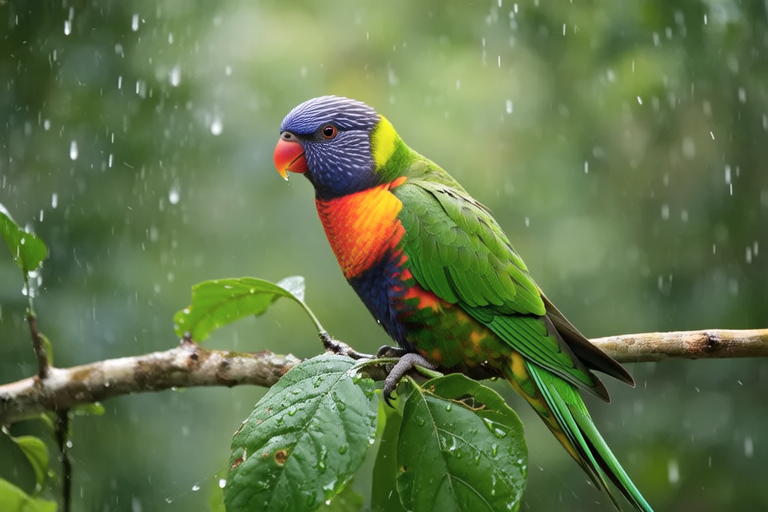
Unleashing the Beauty: A Closer Look at the Splendid Japalure
The world of exotic pets is filled with a myriad of fascinating creatures, each offering its own unique charm and allure. Among these, the Japalure stands out as a truly captivating species. With their striking appearance, gentle demeanor, and relatively low maintenance, Japalures have become increasingly popular among pet enthusiasts. This article aims to delve deep into the world of Japalures, exploring their physical characteristics, temperament, care requirements, history, and the special traits that make them stand out.
Introduction: The Unique Appeal of Japalures
Japalures, also known as Java Sparrows, are small but mighty birds that have captivated the hearts of many. Their distinct appearance and charming personality have made them a favorite among bird lovers. These birds are native to Indonesia and parts of Southeast Asia, where they thrive in open grasslands and agricultural areas. Their unique appeal lies in their vibrant plumage and the melodious sounds they produce, which can add a delightful ambiance to any home.
Physical Characteristics
Japalures are small, stocky birds with a robust build. Males and females differ slightly in appearance, with males being more colorful. Adult males boast a jet-black head and throat, contrasting sharply with their white cheeks and chest. Their upperparts are brownish-gray, while their underparts are white. The wings and tail feathers are adorned with black bars, adding to their striking appearance. Females, though less colorful, still possess a beautiful gray-brown plumage with subtle barring on their wings and tails.
One of the most distinctive features of Japalures is their beak. They have a strong, conical beak that is perfectly adapted for cracking seeds and nuts. This beak is not only functional but also contributes to their overall aesthetic appeal. Their eyes are dark and expressive, giving them a wise and endearing look. Japalures are typically around 7 inches in length, making them a manageable size for indoor living.
Temperament
Japalures are known for their gentle and affectionate nature, which makes them excellent companions for those looking for a pet bird. They are intelligent and curious, often displaying problem-solving skills and the ability to learn tricks. Despite their small size, they are quite active and enjoy interacting with their surroundings. Owners often report that their Japalures develop strong bonds with them, recognizing and responding to their presence.
While Japalures are generally peaceful, they can be territorial when it comes to their food and nesting sites. It’s important to provide them with adequate space and resources to minimize conflicts. Socialization from a young age can help ensure that your Japalure remains friendly and well-adjusted. Regular interaction and training can also enhance their trust and bond with you, making them even more enjoyable pets.
Care Requirements
Proper care is essential to ensure that your Japalure thrives in its new environment. Housing is a crucial aspect of their care, and providing a spacious cage is paramount. The cage should be large enough to allow for movement and the inclusion of perches, toys, and feeding stations. A minimum cage size of 24 inches by 24 inches by 36 inches is recommended for a single bird, with additional space for each additional bird.
Diet plays a significant role in maintaining the health and vitality of Japalures. A balanced diet consisting of high-quality seed mixes, fresh fruits, vegetables, and occasional treats such as millet sprays will keep your bird happy and healthy. Fresh water should always be available, and it’s important to clean and replace it daily. Additionally, providing grit can aid in digestion and assist with the grinding of seeds.
Grooming is another aspect of care that should not be overlooked. Regular feather grooming and nail trimming are necessary to maintain their appearance and comfort. Bathing is also encouraged, as it helps to keep their feathers clean and healthy. Some Japalures enjoy bathing in shallow dishes of water, while others prefer misting with a spray bottle.
History and Origins
The origins of Japalures trace back to the islands of Java and Bali in Indonesia, where they were first discovered by European explorers in the late 18th century. These birds were initially brought to Europe as exotic curiosities, and their popularity grew rapidly among collectors and breeders. Over time, selective breeding led to the development of various color mutations, including white, cinnamon, and pied varieties.
The evolution of Japalures has been marked by adaptability and resilience. In their natural habitat, they have learned to thrive in diverse environments, from dense forests to open fields. Their ability to adapt has allowed them to survive and flourish in captivity as well. Today, Japalures are found in homes across the globe, cherished for their beauty and companionship.
Special Traits and Abilities
One of the most remarkable traits of Japalures is their vocal abilities. While they are not renowned for mimicking human speech like some other parrot species, they are capable of producing a wide range of melodious sounds. Their songs are often described as sweet and pleasant, adding a serene atmosphere to any room. Additionally, Japalures are adept at whistling, and some individuals can even learn to whistle tunes or imitate environmental sounds.
Japalures also possess impressive problem-solving skills. In the wild, they use these abilities to find food and navigate their environment. In captivity, this intelligence manifests in their playful interactions with toys and puzzles. Providing stimulating activities can help keep your Japalure mentally engaged and prevent boredom. Puzzle feeders, for example, can challenge their problem-solving skills while rewarding them with treats.
Advice for Potential Owners
For those considering adding a Japalure to their family, there are several factors to consider. First and foremost, research is key. Understanding the specific needs and behaviors of Japalures will help you prepare adequately for their arrival. It’s important to choose a reputable breeder or pet store to ensure that your bird comes from healthy and well-cared-for stock.
Once you bring your Japalure home, patience and consistency are vital. Building trust takes time, so be patient as your bird adjusts to its new environment. Establishing a routine and providing a stable environment will help your bird feel secure and comfortable. Regular veterinary check-ups are also essential to monitor their health and address any concerns early on.
The Impact of Japalures on Families
Japalures can have a profound impact on the families who welcome them into their homes. Their presence can bring joy and companionship, offering a unique form of entertainment and enrichment. For children, caring for a Japalure can teach responsibility and empathy, fostering a deeper connection between the child and the animal.
Moreover, the calming influence of Japalures can benefit the entire household. Their soothing songs and gentle presence can create a tranquil atmosphere, reducing stress and promoting relaxation. Whether you’re a seasoned pet owner or new to the world of exotic birds, a Japalure can offer a lifetime of love and companionship.
