Adorable Golden Hamsters: Tips for Training and Bonding
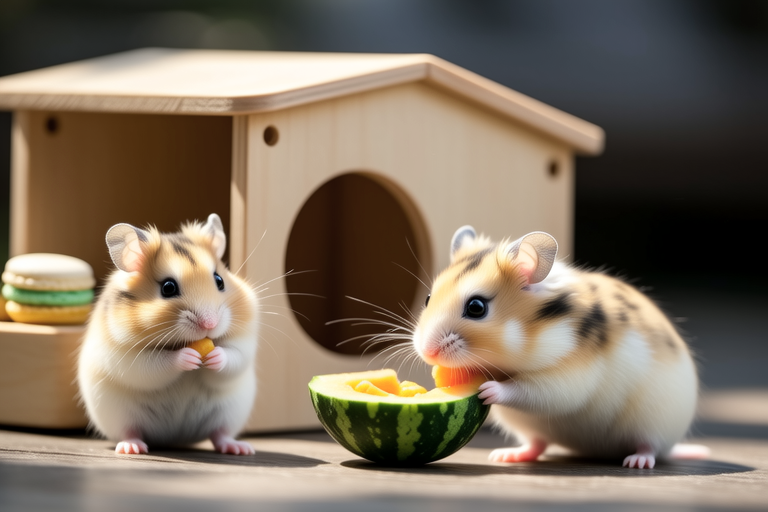
Golden hamsters have long been cherished pets for their charming appearance and engaging personalities. These small, furry creatures with their soft, golden coats and large, round eyes have captured the hearts of many animal lovers. Their docile nature makes them perfect companions for families and individuals alike. However, owning a golden hamster comes with responsibilities, especially when it comes to training and bonding with your pet. In this article, we will explore essential tips for training your golden hamster, including basic commands and techniques to encourage positive behaviors. Additionally, we will discuss bonding activities that can strengthen the relationship between you and your pet, ensuring a healthy and happy hamster.
The Popularity of Golden Hamsters
Golden hamsters are one of the most popular pet rodents worldwide. They are known for their easy care requirements, relatively low maintenance, and the fact that they are nocturnal, which means they are active at night when most people are winding down after a busy day. This makes them ideal pets for those who want companionship without the need for constant interaction. Moreover, their small size and manageable living space make them suitable for apartment dwellers or anyone with limited space.
Basic Commands for Your Golden Hamster
Training your golden hamster might seem like an unusual task, but it can be incredibly rewarding. Not only does it help keep your hamster mentally stimulated, but it also strengthens the bond between you and your pet. Here are some basic commands that you can teach your golden hamster:
- Coming When Called: To teach your hamster to come when called, start by using treats to lure your hamster out of its cage. Once your hamster has emerged, give it a treat and say “come.” Repeat this process several times until your hamster associates the word “come” with the action of coming out of its cage. Over time, your hamster will learn to come when called.
- Sitting: To teach your hamster to sit, place a treat in front of its face and slowly raise your hand while saying “sit.” As soon as your hamster sits down, reward it with the treat. Repeat this process multiple times each day, gradually increasing the duration of the sitting behavior before giving the treat.
- Walking on a Leash: While it may sound unusual, hamsters can be trained to walk on a leash. To do this, first get your hamster used to wearing a harness by placing it on your hamster for short periods each day. Once your hamster is comfortable with the harness, attach a leash and allow your hamster to drag it around for a few minutes. Gradually increase the length of time your hamster wears the leash and walks on it. Eventually, you can take your hamster for short walks outside of its cage.
Techniques to Encourage Positive Behaviors
Positive reinforcement is key when training your golden hamster. Reward your hamster with treats and praise whenever it exhibits the desired behavior. This will encourage your hamster to repeat the behavior in the future. It’s important to note that punishment is not an effective training method for hamsters, as it can lead to fear and stress. Instead, focus on creating a positive environment where your hamster feels safe and comfortable.
In addition to positive reinforcement, consistency is crucial when training your hamster. Use the same commands and techniques every time you train your hamster, and try to train at the same time each day. This will help your hamster understand what is expected of it and make the training process more effective.
Bonding Activities for You and Your Golden Hamster
Bonding with your golden hamster is just as important as training. A strong bond between you and your pet will result in a happier, healthier hamster. Here are some activities that can help you bond with your golden hamster:
- Gentle Handling: One of the best ways to bond with your golden hamster is through gentle handling. Start by allowing your hamster to get used to your scent by placing your hand in its cage for a few minutes each day. Once your hamster is comfortable with your presence, you can begin to handle it gently. Always support your hamster’s body when holding it and avoid squeezing too tightly. Over time, your hamster will become more comfortable with being handled and may even enjoy spending time with you.
- Playtime: Playtime is a great way to bond with your golden hamster. Provide your hamster with toys and activities that stimulate its mind and body. Hamsters love to chew, so provide them with safe chew toys made from untreated wood or cardboard. You can also create obstacle courses for your hamster using tunnels, bridges, and other objects. This will not only provide entertainment for your hamster but also help it stay physically fit.
- Foraging: Foraging is a natural behavior for hamsters, and it can be a fun activity for you and your pet. Hide treats throughout your hamster’s cage and encourage your hamster to search for them. This will stimulate your hamster’s mind and provide it with mental stimulation. You can also use puzzle feeders to make foraging more challenging and rewarding for your hamster.
Common Mistakes to Avoid During Training and Bonding
While training and bonding with your golden hamster can be rewarding, there are some common mistakes that you should avoid:
- Overhandling: While gentle handling is important for bonding with your hamster, overhandling can be stressful for your pet. Try to limit the amount of time you spend handling your hamster each day, and always support its body when holding it. If your hamster shows signs of stress, such as biting or squirming, stop handling it immediately.
- Punishment: As mentioned earlier, punishment is not an effective training method for hamsters. Avoid scolding or punishing your hamster for unwanted behavior, as this can lead to fear and stress. Instead, focus on redirecting your hamster’s attention to a more appropriate behavior and reward it when it exhibits the desired behavior.
- Ignoring Basic Needs: It’s important to remember that training and bonding should not interfere with your hamster’s basic needs. Make sure your hamster has access to fresh water, food, and a clean living environment. Also, ensure that your hamster has enough space to move around and exercise. A well-cared-for hamster will be more likely to respond positively to training and bonding activities.
By avoiding these common mistakes, you can ensure that your golden hamster remains healthy, happy, and responsive to training and bonding activities.
Conclusion
Owning a golden hamster can be a rewarding experience, but it requires patience, dedication, and proper care. By following the tips outlined in this article, you can effectively train your hamster and strengthen the bond between you and your pet. Remember to use positive reinforcement, be consistent, and avoid common mistakes. With time and effort, you and your golden hamster will develop a strong, loving relationship that will bring joy to both of you.
