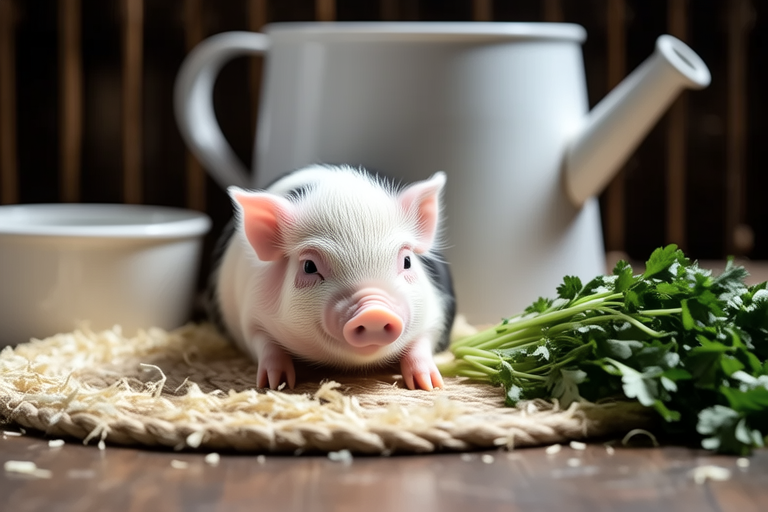
Guinea Pig Care: Essential Tips Every Owner Should Know
Guinea pigs, also known as cavies, have become increasingly popular pets over the years due to their friendly nature and relatively low maintenance. However, like any other pet, they require proper care to ensure they live healthy and happy lives. This article will provide essential tips on guinea pig care, covering topics such as proper diet, housing requirements, exercise needs, grooming practices, health care basics, and tips for socializing and bonding with guinea pigs.
Proper Diet
The most important aspect of guinea pig care is ensuring they have a balanced diet. Guinea pigs need a constant supply of hay, fresh water, and a variety of vegetables and fruits. Timothy hay is recommended for adult guinea pigs, while younger ones can eat alfalfa hay. Hay is crucial because it aids digestion and keeps teeth worn down. Always ensure your guinea pig has access to clean, fresh water.
Vegetables and fruits should be given in moderation, as some can cause digestive issues if overfed. Leafy greens such as kale, spinach, and romaine lettuce are excellent choices. Carrots, bell peppers, and cucumbers are also good options. Avoid feeding them iceberg lettuce, as it can cause diarrhea. Fruits should be limited to a few pieces per week, as they are high in sugar.
Vitamin C is essential for guinea pigs, as they cannot produce it themselves. Deficiency can lead to scurvy, which causes lethargy, swollen joints, and poor appetite. Provide vitamin C-rich foods such as oranges, strawberries, and broccoli. You can also supplement their diet with vitamin C tablets specifically designed for guinea pigs.
Housing Requirements
Choosing the right cage is vital for your guinea pig’s well-being. The cage should be large enough to allow movement and space for bedding, food, and water bowls. A minimum size of 7.5 square feet is recommended for one guinea pig, but more space is better. Multi-level cages are ideal as they provide additional stimulation and exercise opportunities.
The bedding material should be absorbent, dust-free, and safe for guinea pigs. Avoid cedar and pine shavings, as they contain aromatic oils that can irritate your pet’s respiratory system. Paper-based bedding or recycled paper products are excellent alternatives. Clean the cage at least once a week to maintain hygiene and prevent ammonia build-up, which can cause respiratory problems.
Guinea pigs are social animals and thrive when housed with companions. If you have only one guinea pig, consider getting a second one to keep them company. Make sure both are of the same sex to avoid unwanted litters. Introduce them gradually to ensure compatibility.
Exercise Needs
Guinea pigs need regular exercise to stay healthy and active. In addition to having ample space in their cage, they should be allowed supervised time outside the cage each day. Use a secure playpen or exercise area to prevent escapes and injuries. Rotate toys and accessories regularly to keep them mentally stimulated and prevent boredom.
Provide tunnels, chew toys, and wheels (with no sharp edges) to encourage physical activity. Wheels are particularly beneficial as they help guinea pigs burn off excess energy. Ensure the wheel is the appropriate size; too small can cause injuries, and too large may not be used.
Grooming Practices
Grooming is necessary to keep your guinea pig’s coat clean and free from mats. Long-haired breeds require more frequent brushing than short-haired ones. Use a soft-bristled brush or comb to gently remove loose hair and dirt. Brushing also helps distribute natural oils throughout the fur, keeping it shiny and healthy.
Bathing should be kept to a minimum, as it can strip the skin of its natural oils. Use a gentle shampoo specifically formulated for guinea pigs if bathing is necessary. Rinse thoroughly and dry completely to prevent chills. Regular nail trimming is also important to prevent overgrowth, which can cause discomfort and difficulty walking. Use nail clippers designed for small animals and be cautious not to cut into the quick, which contains blood vessels and nerves.
Health Care Basics
Regular veterinary check-ups are essential for maintaining your guinea pig’s health. Choose a veterinarian experienced in exotic animal care. Early detection and treatment of illnesses can prevent complications and extend your pet’s life. Common health issues include dental problems, respiratory infections, and skin conditions.
Signs of illness in guinea pigs include loss of appetite, lethargy, runny nose, sneezing, and diarrhea. If you notice any of these symptoms, contact your vet immediately. Keep an eye on your guinea pig’s weight and behavior to catch any potential health issues early.
Spaying or neutering your guinea pig can help prevent certain health problems. Female guinea pigs, for example, are prone to uterine infections and cancer. Spaying can reduce the risk of these conditions. Neutering males can prevent testicular cancer and aggression. Discuss the benefits and risks with your veterinarian before making a decision.
Tips for Socializing and Bonding
Socializing your guinea pig is crucial for their emotional well-being. Spend time with them daily, handling them gently and speaking softly. This helps them become comfortable around people and reduces stress. Guinea pigs are prey animals, so they may startle easily. Approach them slowly and avoid sudden movements.
To bond with your guinea pig, try offering treats and engaging in playtime. They enjoy interacting with humans and can learn simple tricks, such as coming when called or sitting up for a treat. Positive reinforcement training can strengthen your relationship and make handling easier.
Guinea pigs are highly social creatures and benefit from companionship. If possible, introduce another guinea pig to share their living space. They can form strong bonds with each other, providing comfort and companionship. When introducing new guinea pigs, monitor their interactions closely to ensure compatibility.
Conclusion
Owning a guinea pig can be a rewarding experience, but it requires commitment and responsibility. By following the tips outlined in this article, you can provide your pet with a healthy, happy environment. Remember that each guinea pig is unique, so observe their behavior and adjust their care accordingly. With proper attention and love, your guinea pig will bring joy and companionship to your home for many years.
