Exploring Hermit Crabs: Unique Aspects, Biology, and Conservation
Hermit crabs are one of the most intriguing creatures in the animal kingdom, known for their peculiar behavior and fascinating biology. These crustaceans have captured the imagination of many due to their unusual lifestyle and the myths that surround them. In this article, we will delve into the world of hermit crabs, exploring their unique aspects, biological features, social behaviors, and the challenges they face in the wild. We will also provide insights into keeping hermit crabs as pets, offering tips for setting up their habitats and caring for these captivating creatures.
Unusual Behavior and Fascinating Biology
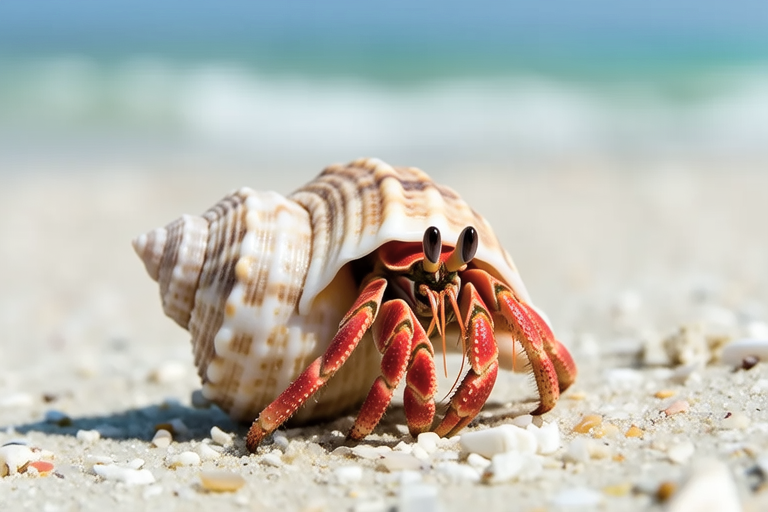
One of the most distinctive traits of hermit crabs is their shell selection process. Unlike other crustaceans, hermit crabs do not have a hard exoskeleton to protect their soft bodies. Instead, they rely on second-hand shells for shelter. This behavior has led to the development of complex strategies for finding and adapting to new homes. When a hermit crab outgrows its current shell, it searches for a larger one, often engaging in fierce competitions with other crabs. Once a suitable shell is found, the crab will carefully inspect it before making the switch. This process involves checking the size, shape, and even the smell of the shell to ensure it provides adequate protection and comfort.
Hermit crabs are highly adaptable creatures, capable of thriving in various environments. They can be found in diverse habitats, from tropical beaches to freshwater streams. Their ability to adapt to different conditions is largely due to their flexible diet and opportunistic feeding habits. Hermit crabs are omnivores, consuming a wide range of organic matter, including algae, decaying plant material, and small invertebrates. This versatility allows them to survive in areas where food sources may be limited or inconsistent. Additionally, their respiratory system is adapted to both aquatic and terrestrial environments, enabling them to breathe air while still maintaining a connection to water.
Social Behaviors and Myths Surrounding Hermit Crabs
Despite their solitary appearance, hermit crabs are surprisingly social animals. They often gather in large groups, especially during mating season, and have been observed engaging in cooperative behaviors such as sharing food and helping each other find new shells. These interactions suggest that hermit crabs are more complex than previously thought, with a level of social intelligence that goes beyond mere survival.
Myths surrounding hermit crabs abound, with one of the most common being that they are aggressive and dangerous. In reality, hermit crabs are generally peaceful creatures, rarely attacking unless provoked. Another myth is that hermit crabs are easy to care for and require minimal attention. While hermit crabs can be relatively low-maintenance pets, they still have specific needs that must be met to ensure their health and well-being.
Dietary Needs, Reproduction Methods, and Lifespan
Hermit crabs have a varied diet that includes both plant and animal matter. They are scavengers by nature, feeding on decaying organic material, algae, and small invertebrates. Providing a balanced diet is essential for maintaining their health and longevity. In captivity, hermit crabs can be fed a mix of commercial hermit crab food, fresh fruits and vegetables, and occasional protein sources like boiled egg or fish.
The reproductive cycle of hermit crabs is another area of interest. Mating typically occurs during the warmer months when water temperatures are ideal. After mating, the female carries fertilized eggs under her abdomen until they hatch. The larvae then enter the planktonic stage, floating in the ocean currents before settling on the seafloor as juvenile crabs. This process ensures the dispersal of offspring over a wide geographic area, increasing the chances of successful colonization.
Hermit crabs have a relatively long lifespan, with some species living up to 40 years in the wild. However, their lifespan in captivity can vary depending on factors such as diet, habitat quality, and overall care. Proper care can significantly extend their life expectancy, allowing pet owners to enjoy the company of these fascinating creatures for many years.
Conservation Efforts and Threats in the Wild
Hermit crabs face numerous threats in their natural habitats, including pollution, habitat destruction, and overharvesting. Pollution, particularly plastic debris, poses a significant risk to hermit crabs as they mistake plastic objects for potential shells. This can lead to ingestion of harmful materials or the adoption of unsuitable shelters. Habitat destruction, driven by coastal development and climate change, further reduces available living spaces for these creatures. Overharvesting for the pet trade and souvenir industry also contributes to population declines.
To address these challenges, various conservation efforts are underway. Organizations are working to raise awareness about the importance of protecting hermit crab habitats and promoting sustainable practices in the pet trade. Research projects aim to better understand hermit crab biology and ecology, providing valuable information for developing effective conservation strategies. Additionally, initiatives focused on reducing plastic waste and promoting responsible tourism help mitigate some of the environmental pressures faced by hermit crabs.
Keeping Hermit Crabs as Pets
For those interested in keeping hermit crabs as pets, there are several key considerations to ensure their health and happiness. First and foremost, it is important to provide an appropriate habitat that mimics their natural environment. A well-designed tank should include a mix of sand, coconut fiber, and dampened moss to create a suitable substrate. Shelters, such as overturned shells or artificial caves, should be provided to give the crabs a sense of security. Regular misting or the use of a humidifier helps maintain proper humidity levels, which are crucial for hermit crab health.
In addition to a suitable habitat, proper care involves regular maintenance of the tank environment. This includes cleaning the substrate, replacing water dishes, and ensuring the presence of fresh food options. Hermit crabs also benefit from having access to a saltwater bath, which helps them shed their exoskeletons and promotes overall health. It is important to avoid overcrowding the tank, as this can lead to stress and competition for resources.
When selecting hermit crabs as pets, it is advisable to purchase them from reputable breeders who prioritize ethical sourcing and responsible breeding practices. Avoid purchasing crabs from the wild, as this can contribute to population declines and disrupt local ecosystems. By choosing captive-bred specimens, you support sustainable practices and contribute to the conservation of hermit crab populations.
Conclusion
Hermit crabs are truly remarkable creatures, offering a wealth of interesting behaviors, biology, and social dynamics. From their unique shell selection process to their adaptability and social interactions, these crustaceans continue to fascinate researchers and enthusiasts alike. Understanding their dietary needs, reproduction methods, and the challenges they face in the wild is essential for promoting their conservation and ensuring their well-being both in captivity and in their natural habitats. Whether you are a curious beginner or a seasoned enthusiast, hermit crabs offer endless opportunities for learning and enjoyment.
